
Blog
Dental hygiene tips for healthy teeth & gums
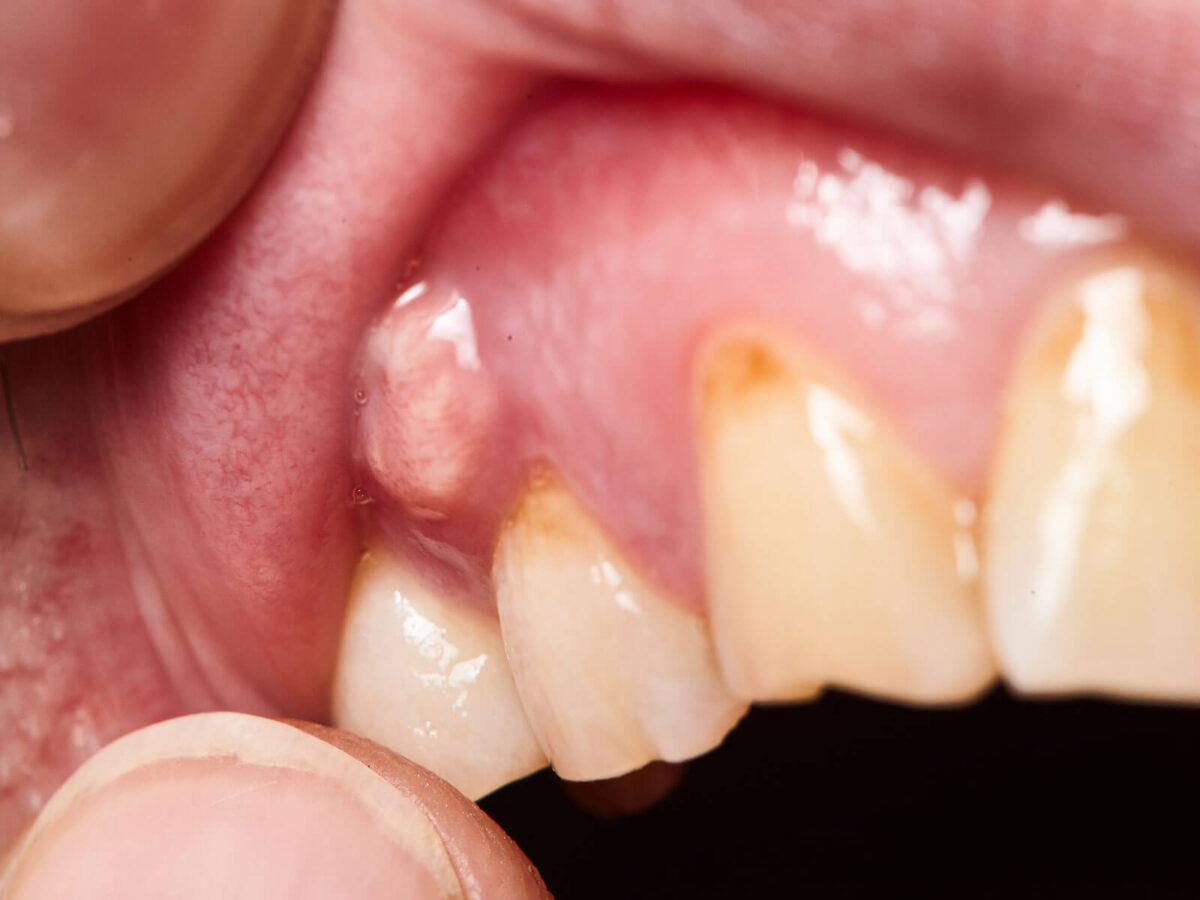
Tooth Abscess: Warning Signs, Common Causes & Treatment Options
Most people don’t notice a tooth abscess right away. It often begins with a small change. A tooth feels sore while chewing. A low ache shows up now and then. Nothing dramatic, so it’s easy to ignore and hope it fades. Then it sticks around.
It’s not the same ache anymore. It feels deeper, more settled in. The gum around that tooth might swell or look red. When it keeps going like that, people usually sense this isn’t just a normal toothache. A tooth abscess is often behind it, and it needs care. Seeing a dentist in rio bravo new maxico sooner rather than later can prevent things from getting more complicated, since infections don’t usually stay small on their own.
What an abscess usually feels like
An abscess usually hurts in a way that stands out. The pain feels deeper and doesn’t come and go like sensitivity. Sometimes it throbs, and pressure from biting can make it worse.
The gum can seem puffy and tender. You may spot a small bump that drains bad-tasting fluid, often from pus in the teeth. You might also feel worn out. The glands beneath the jaw can swell while your body works on the infection.
How a tooth abscess actually starts
Bacteria can’t cause trouble unless they get access to the inside of a tooth or the surrounding area. A deep cavity is one of the most common routes. Decay tends to move inward slowly, and once it reaches the pulp where the nerve is, infection can begin and may
lead to a tooth abscess.
Cracks in teeth can be another way bacteria get in. Some are tiny and easy to overlook, but they still give germs a path. Old fillings or crowns don’t always stay sealed forever, either. Bacteria can sneak underneath over time. Gum problems can also create deeper spaces around teeth where infection sometimes starts, which isn’t great for oral health.
Once bacteria settle in, the body reacts. Immune cells gather in the area. Pus forms as part of the infection. That buildup creates pressure in a tight space. Pressure leads to pain, and that pain is what usually makes a tooth abscess hard to ignore.
Common causes people overlook
Many abscesses begin with problems that once felt small. A cavity that didn’t hurt yet. A chipped tooth that seemed harmless. Gums that bled sometimes but didn’t cause pain. Over time, bacteria move deeper.
Not having enough saliva can increase risk, since it normally helps clean the mouth naturally. A number of medications can reduce saliva production. Diet matters too. When sugary snacks are a regular thing, bacteria use those sugars and create acids that aren’t kind to teeth.
A dentist in rio bravo new maxico looks at these background factors to help prevent future infections, not just treat the one happening now.
What happens during the dental visit
If an abscess might be the issue, the appointment often begins with a conversation. The dentist wants to know when the pain began and what tends to make it worse. Swelling or fever comes up too. Then comes the exam.
The teeth and gums are checked carefully. The sore area might be pressed lightly. X-rays are commonly taken to see where the infection sits and whether the bone around the root is affected.
Sometimes the tooth is also tested to see if the nerve is still functioning.
Once the source is figured out, the dentist explains the options. The aim is to remove the infection and bring the pressure down.
How an abscess is treated
If the tooth is still repairable, a root canal is often the option chosen. The infected tissue inside is cleared out first. The inner part is cleaned, then the canals are sealed up. A crown can be added later to help the tooth hold up during normal biting.
If there isn’t enough healthy tooth left, taking it out can be the safer option. Extraction takes away the main source of infection. Sometimes a small opening is made to let fluid drain, and that can reduce pressure and ease pain pretty quickly.
Antibiotics can be used if the infection spreads or swelling increases outside the tooth area. They help control bacteria for a period of time. But they don’t solve the problem by themselves. Dental treatment is still needed to deal with the source.
Why drainage doesn’t mean it’s healed
Pain sometimes drops after an abscess drains because the pressure inside the area is reduced. For a while, it can honestly seem like things are improving on their own. The tricky part is that the infection doesn’t disappear just because the pressure changed. The quiet period can fool people. The infection might still be there. When that happens, it often doesn’t feel any milder.
Noticing pus in the teeth is typically a reason to have it checked. Even if the pain backs off for now, the underlying issue usually hasn’t resolved.
Protecting oral health in the future
A future abscess often has roots in something that didn’t look serious at the time. Maybe it was a small cavity that didn’t cause pain yet. Maybe it was gum irritation that came and went. It could’ve been old dental work that didn’t seem like an issue. Stuff like that doesn’t always stay minor.
The daily stuff doesn’t seem like a big deal most days. Brushing feels routine. Checkups feel easy to put off when nothing hurts. Still, those small things are usually what keep minor problems from sitting around too long. Over time, that kind of steady care just helps your oral health stay on track and makes another painful infection less likely to sneak up.
When it becomes an emergency
You might first notice the swelling getting bigger instead of smaller. Then it seems to move into the cheek, down toward the neck. The area can start to feel tight, sore, or firm instead of soft. That change alone feels different from a normal toothache. If breathing feels off or swallowing suddenly feels harder, most people sense something isn’t right anymore. At that stage, hoping it calms down usually doesn’t help. It’s better to get care right away when the body starts reacting like that.
Conclusion
A tooth abscess doesn’t always start dramatically. It might begin with mild pain, swelling that seems small, or a bad taste that keeps showing up. In some situations, there’s visible pus in the teeth, and that tends to mean an infection is present. A lot of people wait, thinking it might settle down, especially if the pain comes and goes, though it often doesn’t just disappear.
Paying attention to those changes is part of looking after your oral health in a practical way. When pain lingers, or something clearly isn’t right, a dentist in rio bravo new maxico can check the area and explain what options make sense from there.
Severe toothaches or noticing pus in teeth tend to be the tipping point for most people. Plenty try to push through at first. The problem is, it can seem to calm down, then suddenly act up again. That’s usually a good time to have it looked at instead of guessing. A dentist in rio bravo new maxico can check the area, explain what’s happening, and talk through the next steps. Taking care of it early supports your oral health and often brings relief faster than expected.

