
Blog
Dental hygiene tips for healthy teeth & gums
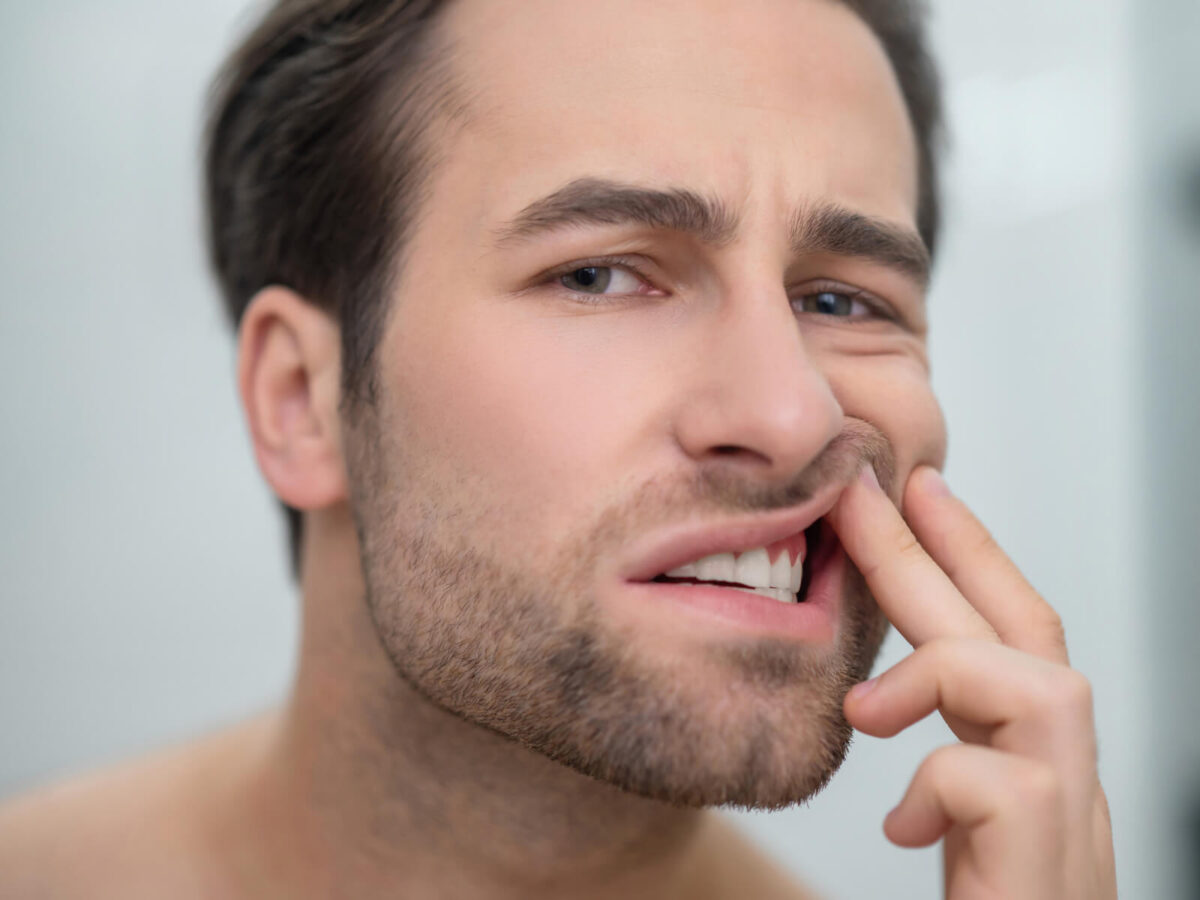
Why Your Gums Bleed When Brushing – And What To Do About It
You’re brushing before work, rushing a bit, and notice a little pink in the sink. For some, it shows up as just a faint streak. For others, it’s more than expected. Either way, it doesn’t look right. Some people start brushing harder, thinking they’re not cleaning well enough. Others do the opposite and avoid the sore spot, hoping it’ll calm down.
The truth is, bleeding gums when brushing are pretty common. It happens to everyone, even people who think they’re doing everything right with brushing and flossing. At Rio Bravo Dental Office NM, this is one of the most frequent concerns patients bring up: Why are my gums bleeding? There’s no single answer, but knowing the common causes of bleeding gums makes it easier to deal with.
Why Gums Bleed
Unlike tough enamel, gums are soft and sensitive. That’s why plaque often annoys them. It sticks around the gumline, full of bacteria that trigger swelling. Once gums are inflamed, even gentle brushing can lead to bleeding.
Then there’s the brushing technique. People mostly believe that more force makes teeth cleaner, but it can cause damage instead. A stiff brush or heavy pressure can scrape and injure the gums. The same goes for flossing too roughly. It’s supposed to clean, not slice.
Other factors aren’t always about oral care at all. Deficiencies in vitamin C or vitamin K, changes in hormones, certain medications, smoking, and even stress. All of these can make gums more likely to bleed.
That’s why it’s not smart to guess the cause without checking. A Rio Bravo Dentist NM can look at your gums, ask the right questions, and figure out the real reason.
Don’t Ignore Bleeding Gums
It’s easy to brush off a little bleeding (pun intended), but the thing is, repeated bleeding is almost always a sign that something’s off. The most common early stage is gingivitis. At this point, gums are swollen, tender, and bleed easily, but it’s still reversible.
Leave gingivitis untreated. and it can move into periodontitis. That’s a much more serious stage. At that point, it’s not just gums; the bone and tissue holding your teeth start breaking down. Teeth can loosen, shift, or eventually be lost.
It’s also not just a “mouth problem.” Gum disease is tied to other health problems, including diabetes, heart disease, and some breathing issues. The mouth and body are connected more than most people realize.
Brushing Correctly
Cleaning isn’t only about how often you brush; it’s really about how you do it. The technique can be the difference between healthy gums and sore gums. A soft brush works best. Angle it at forty-five degrees, make short, gentle strokes. Two minutes, twice daily.
Scrubbing harder won’t make teeth cleaner. It just wears down enamel and irritates gum tissue. That’s why dentists say “gentle but thorough” is the way to go.
Pair brushing with flossing or using little interdental brushes, since your toothbrush can’t reach between teeth. If bleeding doesn’t stop after making these changes, then it’s time for a checkup at Rio Bravo Dental Office NM.
Flossing Without Hurting
A lot of people stop flossing the moment they see blood. The thing is, bleeding gums from flossing usually happen because gums aren’t used to the habit.
Good flossing is gentle. Slide the floss between your teeth, bend it around the tooth’s edge, then work it up and down. Don’t snap it or saw it against the gums.
After a week or two of flossing every day, gums start to heal, and the bleeding eases up. The hard part is not quitting, as most people stop too soon.
Diet and Gum Health
Food matters for your gums more than most people think. Vitamin C keeps the tissue strong. Vitamin K helps too. Calcium helps your gums stay tough. Things like fruit, leafy greens, nuts, and dairy give your gums what they need day to day.
Sugar works the other way. It feeds bacteria. That means more plaque. More plaque means more irritation. Candy that sticks to teeth or sweet drinks can be the hardest on gums.
Water sounds simple, but it helps. It clears food out and keeps the mouth from drying. When you eat well and drink enough water, your gums tend to do better.
Misconceptions
A few myths need clearing up. One is that bleeding gums mean you aren’t brushing well enough. Not always true, sometimes people brush just fine, but inflammation is already there.
Another misconception is that bleeding gums when brushing will fix themselves. Occasionally, minor irritation goes away, but if it keeps happening, that’s usually a gum disease warning you.
And then there’s flossing. Some believe that if flossing makes gums bleed, it should be avoided. The truth is, gentle flossing done regularly lets gums heal with time.
Signs It’s Time to See a Dentist
Bleeding gums when brushing that last more than a week or two, even when you’re cleaning them right, isn’t normal. That’s when you should see a dentist. At Rio Bravo Dental Office NM, we check for plaque, tartar, swollen gums, and other early signs of gum disease.
Sometimes we’ll also take X-rays to see if there’s bone loss or infection under the gums. The earlier we find it, the easier it is to treat, and the less work it takes.
Treatment Options
Treatment depends on what’s happening with your gums. If it’s early gum disease, a professional cleaning may be all you need. After the plaque and tartar are gone, gums can recover. Sometimes we’ll add a special rinse or toothpaste to help with the soreness.
If the problem is further along, we may need to do scaling and root planing. The cleaning goes under the gums and smooths the roots so bacteria don’t stick as much. If the gums are in bad shape, surgery may be needed. That could mean lifting the gums to clean deeply.
At Rio Bravo Dentist NM, treatments are always tailored. No two patients get the exact same plan because no two situations are identical.
Daily Habits That Help
Long-term gum health isn’t about big changes. It’s about steady daily habits. Use a soft brush twice a day. Make flossing a daily habit. Rinse only on your dentist’s advice. Eat well, drink water, skip smoking, and reduce sugary foods where possible.
None of these habits fixes things overnight. But little by little, they add up to stronger, healthier gums.
Conclusion
Bleeding gums when brushing are a warning sign. Plaque, hard brushing, or gum disease are common causes of bleeding gums, and the problem won’t fix itself.
At Rio Bravo Dental Office NM, the dentist will check your gums, clean away buildup, and guide you on the right care. Visiting a Rio Bravo Dentist NM early keeps your gums healthier, protects your teeth, and helps you avoid bigger problems down the road. Catching it early means less pain, lower bills, and a smile you feel good about.

