
Blog
Dental hygiene tips for healthy teeth & gums
Dental Implant Healing Stages: Step-by-Step Guide
Healing from surgery to the final tooth happens in stages. Understanding the dental implant healing stages helps the process feel more comfortable. The starting days are usually uncomfortable, before things begin to settle. Later weeks bring more stability. Months pass, and the mouth feels different again.
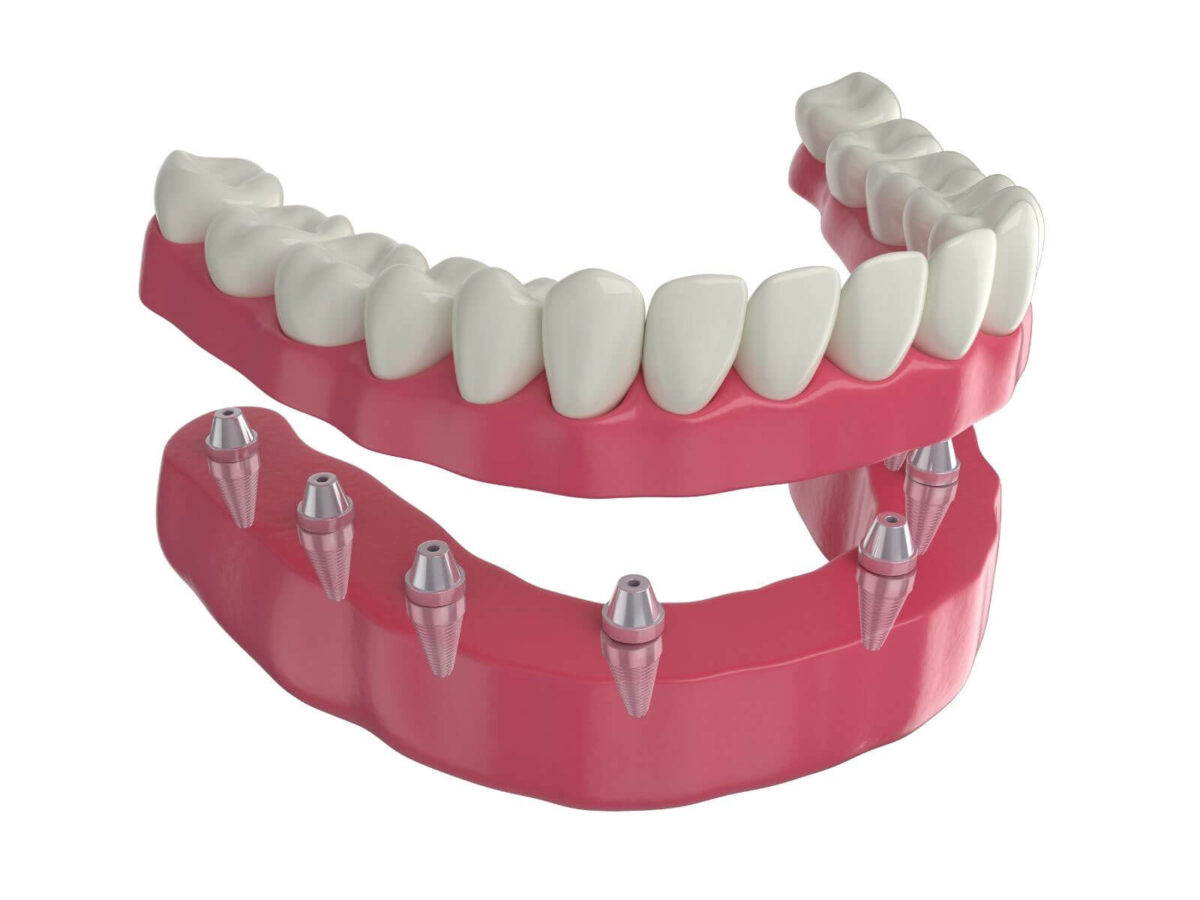
When multiple implants are placed, the full mouth dental implant healing stages still follow this pattern, just with more planning and spacing to support steady recovery. This guide breaks each stage down in plain language, outlines what people often notice, and covers simple ways to support healing along the way.
Stage One: The First Day And First Three Days — Immediate Care
The first hours after surgery matter most for comfort. Numbness from the anaesthesia fades slowly. There will be soreness and a bit of swelling. Small bleeding or a little dark saliva is normal. Rest helps. Keeping the head raised and avoiding heavy activity reduces swelling. Ice applied briefly to the cheek eases the puffiness without needing anything fancy.
Pain usually sits at a steady level when the right medicines are used. Do not rinse hard or spit in the first day because that can break the clot. Warm drinks and soft foods are often easier during the early period. If bleeding doesn’t slow or swelling increases noticeably, contacting the clinic is a sensible step. Most visits finish with clear care instructions and a rough plan for follow-up.
Stage Two: Days Three To Fourteen — Soft Tissue Repair
Around day three, swelling often starts to calm down. It may not be gone, but it usually feels less tight than before. The gums begin to feel more secure as they form around the surgical site. Tenderness can remain, though it tends to ease gradually. Light soreness when chewing is fairly normal here, mostly because the area is still adjusting. This part of recovery often helps people recognise where they are within the dental implant healing stages, since things slowly start to feel more stable.
The mouth still needs care, just not in the usual way. Everything feels more delicate. Warm salt rinses after the first day can be soothing and help things stay balanced. Teeth nearby are brushed, but carefully. The healing area is mostly left alone. It’s a small shift, but it usually feels like the right one during this stage. Finding that balance between cleaning and protecting the healing spot is usually the main focus during these days.
Stage Three: Weeks Two To Eight — Bone Starts To Respond
Beneath the gum line, the jaw quietly starts doing its work. Bone cells slowly move toward the implant and begin attaching themselves to its surface. This early response doesn’t feel dramatic, but it matters. It’s the beginning of osseointegration, the natural bonding process that eventually gives the implant its strength. This phase often helps people understand where they are within the dental implant healing stages, even though most of the change is happening out of sight.
Around this time, daily activity often starts to feel more normal again, though with some caution. Strain and impact are usually added back slowly. At this point, smoking and certain medications are usually set aside since they can interfere with bone growth. It’s less about restriction and more about giving healing space to continue. Follow-up visits usually line up here as well, so the dental team can look closely and catch small changes early. That timing is common during the dental implant healing stages, even if everything feels calm day to day.
Stage Four: One To Three Months — Active Osseointegration
This is the key bonding period. Bone keeps growing closely along the implant surface. The implant shifts from a placed object in the jaw to something the jaw accepts. This stage matters most for long-term success.
Routine X-rays are sometimes used to see how firmly the bone is attached. When healing stays steady, the clinic begins planning the prosthetic steps. If the bone response is slower, added time or small adjustments may be advised. Patience during this phase is a practical move toward a stable result over the years.
Stage Five: Three To Six Months — Late Osseointegration And Tissue Shaping
At this stage, the jaw reshapes quietly around the implant. The gums also mature during this time, forming a firmer seal near the top. Things tend to feel more settled than before. The bone finishes much of its work. For a single implant, the team often gives the go-ahead to place the crown in this window.
When multiple implants are used, the full mouth dental implant healing stages follow this same rhythm, but may be staged. One area heals while another waits. The final prosthetic fit aims for comfort and proper bite. The crown is made to fit the healed site and to match nearby teeth.
Stage Six: Prosthetic Placement And Final Shaping
Attaching the crown, bridge, or denture is the visible finish. The crown is fit, tiny adjustments are made, and the bite is checked. The gum will still settle a bit around the new tooth. A few days of mild sensitivity are common as the mouth gets used to the new shape.
Daily care around the new tooth affects how well things last over time. Daily care helps keep the gums calm and supports the implant as it settles. The routine isn’t very different from natural teeth, though the area along the gum line usually needs a closer look.
Full-Mouth And Immediate-Load Cases: What Changes
When many implants are placed or an entire arch is rebuilt, the stages are the same but more complex. Sometimes, temporary teeth are attached right away. Even then, the internal bone healing follows the same biologic timetable. A staged approach, placing implants in steps, can spread the load so each area heals well. For immediate-load cases, strict care and close follow-up reduce the risk and support faster life return.
Warning Signs At Any Stage That Need Attention
Healing usually stays on track and follows the pattern described above. Most changes feel steady and easy to follow. Even so, some signs need a closer look. Pain that increases instead of easing, ongoing fever are a few of them. Heavier swelling or a bad taste that doesn’t go away are worth noting, too. A loose feeling around the implant matters too. Reaching out quickly usually helps stop bigger delays and keeps the dental implant healing stages moving along without disruption.
Simple Habits That Help Every Healing Stage
Good rest supports healing. Smoking and heavy alcohol use slow the repair. Soft foods work best early, with firmer foods added later. Medications and checkups matter. Gentle rinses and careful cleaning help protect the area during the dental implant healing stages.
A Rough Sense Of Recovery Timing
Healing is personal. For a single implant, the internal bone work commonly takes three to six months before final restoration. For full-arch reconstructions, the timeline can be longer due to multiple sites and any grafting. When each stage is followed, and the clinic monitors progress, implants often last decades.
Final Thought And A Calm Next Step
The healing stages of dental implant move from immediate care through slow bone bonding and then final shaping. Each stage matters, and each step supports the next. For clear results, follow the clinic’s plan, watch for warning signs, and keep daily care steady. A calm conversation with the dental team about the expected timeline for the case at hand makes the recovery feel more certain and less stressful.

