
Blog
Dental hygiene tips for healthy teeth & gums
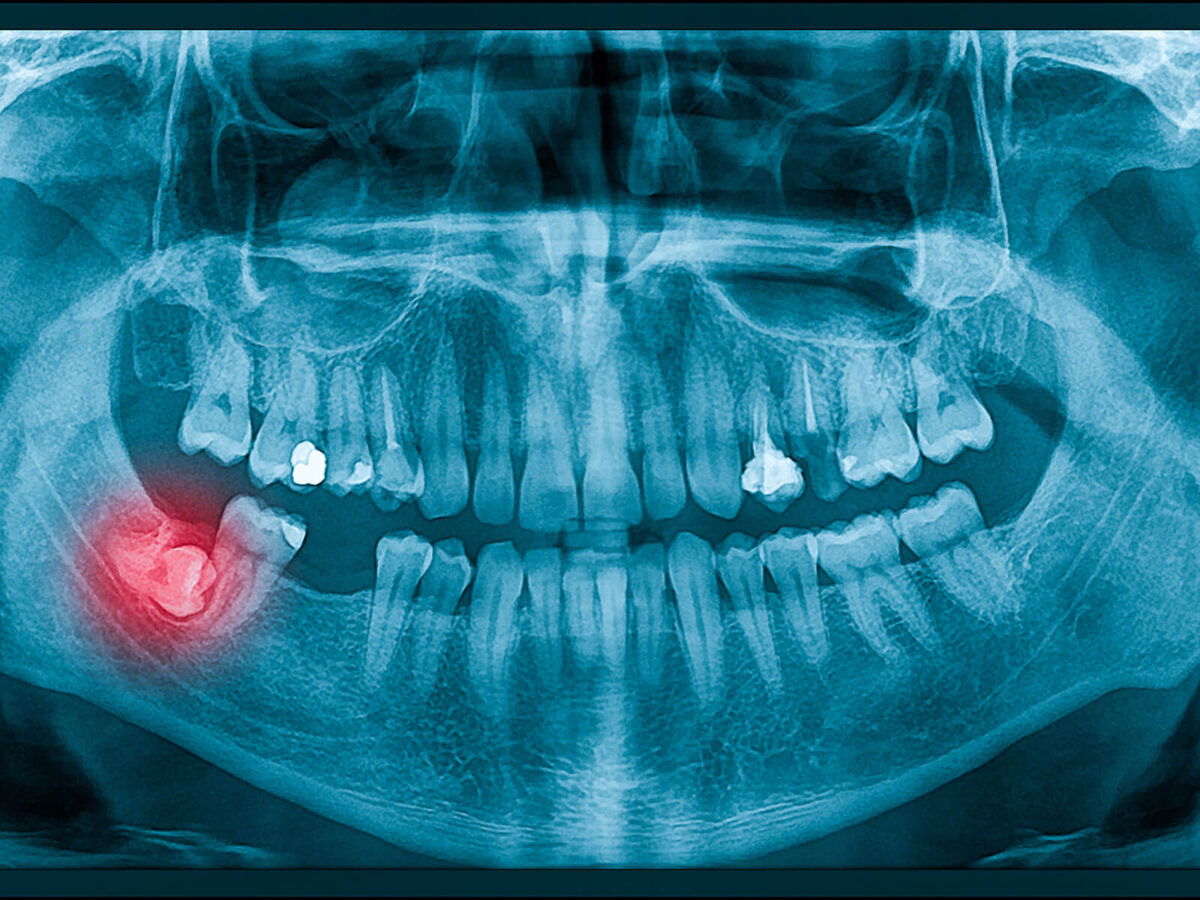
Impacted Wisdom Tooth: Meaning, Symptoms, and Treatment
You can go months without thinking about your wisdom teeth. Then, while chewing, you notice this faint pressure near the back molar that wasn’t there before. Nothing dramatic happens. You brush it off at first, yet the thought keeps coming back until you finally search what is an impacted wisdom tooth?
The word “impacted” sounds worse than it actually is. All it really means is the tooth doesn’t have enough room to come in the way it’s supposed to. Instead of growing straight up as the others did years ago, it sort of bumps into whatever is already there. Sometimes that barrier is bone. Sometimes it’s gum tissue. Other times, it’s the neighboring tooth blocking the way. When there isn’t enough room, the wisdom tooth may stay trapped or push at an angle, creating impacted wisdom teeth.
In some cases, this leads to dull pressure, swelling, or gradually impacted wisdom tooth pain, along with other early impacted wisdom tooth symptoms that tend to build slowly rather than appear all at once.
Why Wisdom Teeth So Often Get Stuck
Wisdom teeth are late bloomers. They usually try to erupt between the ages of seventeen and twenty-five. By then, your mouth has already made space for 28 other teeth. There is rarely extra room waiting at the back.
Our jaws today aren’t quite the same as they were generations ago. With softer foods and less heavy chewing, the jaw doesn’t always develop with as much room in the back. That lack of space is one reason wisdom teeth run into trouble. Research published through the National Institutes of Health has pointed out that third molar impaction is actually one of the more common dental findings among young adults.
So if impacted wisdom teeth come up during your appointment, it’s far from rare. It is extremely common. It is not about something going wrong. It is about anatomy running out of space.
What’s Happening Back There?
The first thing that comes to mind with “what is an impacted wisdom tooth” is usually a tooth sticking out at an angle. That happens in some situations, though others are far less noticeable.
Some wisdom teeth remain completely hidden under the gum and bone. You cannot see them at all. Others tilt forward and press against the second molar. Some angle backward. A few lie almost sideways, as though they tried to grow horizontally. The direction changes everything.
A deeply buried tooth might never cause trouble. A partially erupted one can create a flap of gum that traps food and bacteria. That small pocket becomes difficult to clean properly. Over time, irritation builds. Sometimes slowly. Sometimes suddenly.
Recognising Impacted Wisdom Tooth Symptoms
Here is where things become personal. Not everyone with impacted wisdom teeth feels pain. Some discover the issue during a routine X-ray and feel perfectly fine. Others start noticing subtle discomfort that does not quite make sense.
When impacted wisdom tooth symptoms begin, they tend to show up quietly. There may be swelling toward the back of the gum or a tenderness that appears when you bite down. The discomfort usually isn’t sharp. It’s more of a dull sensation that fades and returns, enough to stay on your mind.
Impacted wisdom tooth pain doesn’t read like a textbook symptom when you’re actually feeling it. One minute it’s at the back of your mouth, the next it feels like it’s spreading along your jaw. It can throb. It can feel like pressure. Sometimes it’s hard to explain, other than saying something back there just doesn’t feel right.
Symptoms can come and go. A few uncomfortable days followed by calm. That temporary relief sometimes convinces people that the problem resolved on its own. Usually, it hasn’t.
Why Impacted Wisdom Teeth Can Become Complicated
Pain isn’t always the main issue. What really causes trouble is the area around the tooth. If a wisdom tooth only comes in partway, the gum can sit over it in a way that creates a small space. Food gets caught there. Bacteria settle in. And reaching that far back with a toothbrush isn’t as easy as people think.
This isn’t just a minor technical detail. The American Association of Oral and Maxillofacial Surgeons has seen situations where untreated impacted third molars turned into infections over time.
This does not mean every impacted tooth must be removed immediately. It means observation matters. A dentist usually isn’t just looking at what hurts today.
How Dentists Evaluate the Situation
A panoramic X-ray usually tells the full story. It shows the angle of the tooth. The stage of root development. How close it sits to nerves in the lower jaw.
When reviewing impacted wisdom teeth, dentists consider whether the tooth is pressing against its neighbour or creating damage. If it is quiet and stable, monitoring may be recommended.
If impacted wisdom tooth symptoms appear repeatedly or if there are signs of infection, removal becomes more likely.
How old you are can change things. In younger patients, the roots are still forming, and the bone has more flexibility, so recovery often feels easier. Years later, everything is more set in place, and surgery can be a little more complex, though still very manageable. It’s not something decided by age alone. Dentists rely on imaging and experience to figure out the right timing.
How Is It Usually Treated?
When a dentist suggests removal, it’s typically done with the area fully numb. If you’re feeling uneasy, that’s usually discussed beforehand. From there, they work the tooth out carefully. If it doesn’t come easily, it may be removed in smaller pieces instead of forcing it. You may go home with a couple of stitches, depending on how it went.
For several days, swelling along the cheek is common. The jaw can feel stiff and make eating feel different. You adjust your pace. You rest a little more. And then, little by little, things start feeling normal again without any big moment marking the change.
FAQs
What does “impacted” actually mean here?
It just means the tooth didn’t come out properly. Maybe there wasn’t enough room. Maybe it came in sideways. Either way, it’s stuck or partially stuck instead of sitting properly with the rest.
Do they always hurt?
No. In many cases, it’s discovered by accident during a regular dental visit.
What shows up first?
Usually something small. A bit of swelling in the back. A strange pressure while chewing. Nothing dramatic.
Can the pain get bad?
It can turn painful if that area gets irritated over time. For others, it stays mild.
Does it always need to come out?
Not automatically. Some are just monitored for years without causing issues.
Final Thoughts
Understanding what is an impacted wisdom tooth is makes the diagnosis less intimidating. It is not a defect. It is simply a tooth that ran out of room.
There are people who forget their wisdom teeth even exist. And then there are those who deal with a bit of swelling now and then, maybe some pressure when chewing, and just wait for it to pass. Sometimes it does. Sometimes it keeps coming back in small waves.
If you’ve noticed that cycle more than once, it’s worth pausing and getting it evaluated. Not because it’s automatically serious, but because repeated irritation usually has a reason. A proper look and an X-ray can tell you more in minutes than weeks of hoping it settles.

