
Blog
Dental hygiene tips for healthy teeth & gums
Dental Implants vs. Partial Dentures: What’s Best For You?
A missing tooth rarely feels like a big deal right away. It’s easy to ignore at first. You chew a little differently. You smile a little less without noticing why. Life keeps moving, and you adjust around the gap without really meaning to.
Then, somewhere down the line, the question shows up. Sometimes months later. Sometimes, after something small, like food getting stuck or a photo you don’t like. Dental implants vs partial dentures, which one even makes sense here?
It sounds simple when you first look at it. Real situations have a way of changing that. Teeth don’t exist in isolation. Bone changes, habits and comfort matter more than people expect. Long-term expectations quietly shape the decision too.
When it comes to a partial denture vs an implant, quick fixes usually fall apart. Daily comfort tends to matter more than people expect.
What Are Dental Implants And Partial Dentures?
Dental implants replace more than just what shows. A small post sits inside the jawbone and becomes part of it over time. Once healed, a crown is placed on top. The tooth stands alone. It does not lean on neighbouring teeth. It does not come out at night.
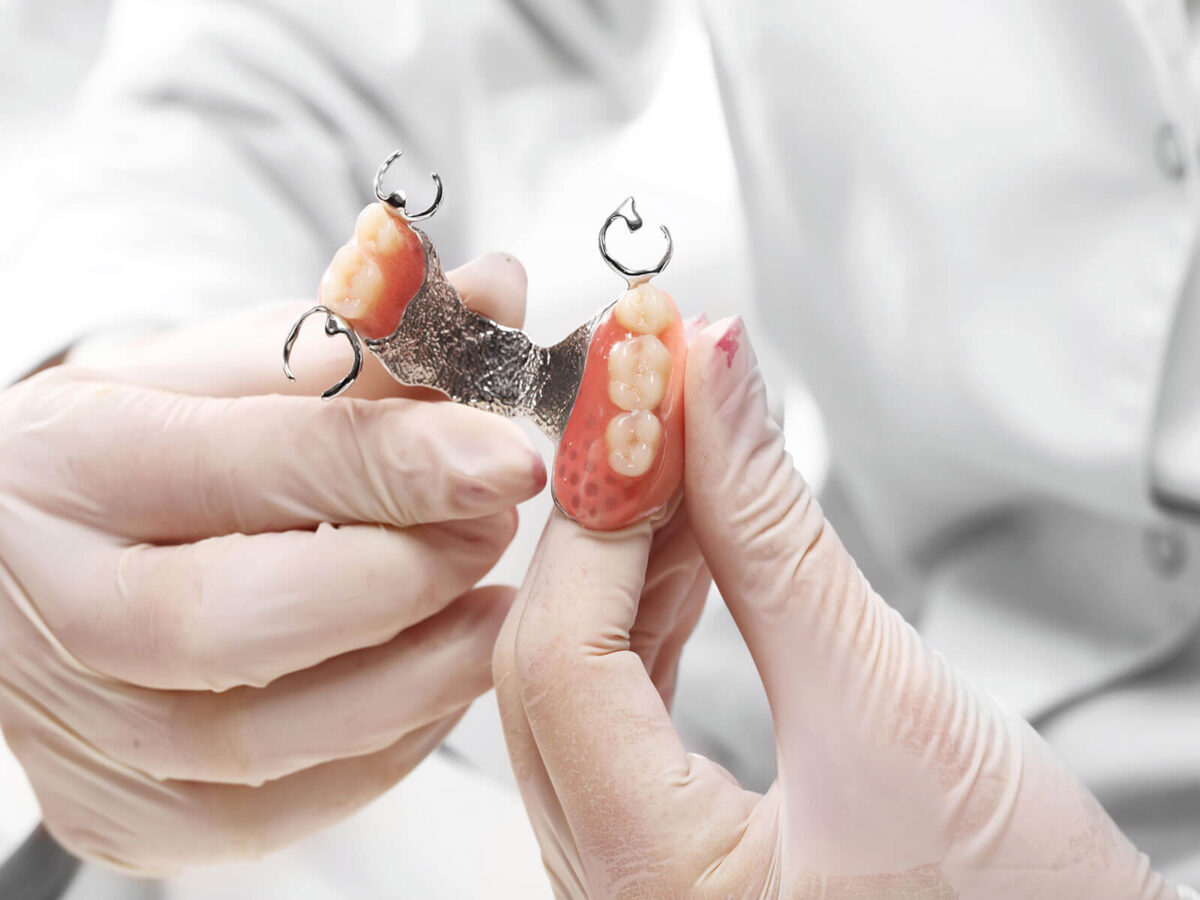
Partial dentures approach the problem differently. They replace missing teeth using a removable appliance that rests on the gums and connects to nearby teeth for support. Some designs are lightweight. Others feel bulkier. All are meant to restore basic function and appearance.
This structural difference explains much of the dental implant vs partial denture debate. One becomes part of the mouth. The other works with it.
How Each Option Feels When You Live With It
Implants tend to disappear into daily life once healing is complete. Chewing feels steady. Speech feels natural. There is no movement to think about. Many people forget which tooth was replaced.
Partial dentures take adjustment. The gums carry some pressure. Food feels different at first. Speech may need a short learning period. Some people adapt quickly. Others remain aware of the appliance long term.
This is often when people quietly ask, Are dental implants better than dentures from a comfort standpoint. For many, yes. But comfort alone does not decide everything.
Bone Changes And The Quiet Long-Term Effects
Bone needs stimulation to stay strong. Natural roots provide that stimulation. Implants replace it by transferring chewing pressure into the jaw. This slows bone loss in the area of the missing tooth.
Partial dentures do not stimulate bone. Over time, the bone beneath them can shrink. As that happens, fit changes. Adjustments become necessary. Sometimes replacements follow.
This gradual change is easy to overlook early on, but it becomes a key part of the dental implants vs partial dentures decision when thinking long term.
What Happens To Nearby Teeth
Implants leave neighbouring teeth alone. No grinding, and no added pressure. They function independently. Partial dentures usually use nearby teeth for support. Small clasps help keep them in place.
Those supporting teeth work harder. With excellent hygiene, this may not cause issues. With inconsistent care, it sometimes does.
Protecting healthy teeth is one reason many dentists lean toward implants when conditions allow.
Appearance And Confidence Over Time
Both options can look natural these days. Materials have changed a lot, even compared to a few years ago. What people imagine in their head is usually older dental work, not what’s actually used now.
Still, implants tend to disappear a little better visually. Because they come up through the gum the way a real tooth does, the eye doesn’t catch on anything unusual. There’s no extra movement. No reminder that something is sitting on top rather than rooted in place. That difference matters more in person than it does on paper when comparing a dental implant vs a partial denture.
Partial dentures can sometimes show small metal pieces, depending on how they’re designed and where they sit. Some people honestly never notice them. Others become more aware over time, especially in conversations or when laughing without thinking about it.
Confidence usually builds from predictability. Knowing your teeth won’t shift, lift, or need adjusting while you’re eating or smiling changes how relaxed you feel. For many people, implants offer that steady, almost forget-it’s-there kind of stability.
Daily Care And Maintenance Differences
Implants are usually cared for the same way natural teeth are. You brush and floss. You keep up with regular dental visits and let things be checked along the way. There isn’t much to adjust to once it becomes part of your routine.
Partial dentures need to be removed for cleaning. Food and plaque collect underneath if care slips. Nighttime removal is common to let tissues rest.
Some people prefer fixed care. Others like the flexibility of removal. Preference matters more than people admit when choosing between a partial denture vs implant.
Time Commitment And Healing
Implants take patience. Placement is followed by healing that can last several months. Bone quality and health play a role, and habits tend to affect timing too.
Partial dentures are usually done sooner. In some cases, they’re placed shortly after tooth loss. That immediate solution appeals to many people.
Fast relief versus long-term integration is a real tradeoff in the dental implant vs partial denture discussion.
Cost Now Versus Cost Later
Implants usually cost more upfront. There’s no getting around that. Surgery and time both factor into the price.
Partial dentures tend to be easier on the wallet at first. Over the years, though, maintenance can slowly add up in ways people don’t always plan for.
That’s why the question Are dental implants better than dentures? doesn’t have one clear financial answer. It depends on whether you’re focused on now or much later.
When Implants May Not Be The Right Option
Implants don’t work for every situation. Bone levels matter, and healing matters. Health history and habits often play a bigger role than expected. In moments like that, partial dentures can make sense. They avoid surgery and still support chewing, speaking, and everyday comfort. For many, that is enough for now. This is where dental implants vs partial dentures gets less clear. The decision is often shaped by limits rather than pure choice.
How Each Option Ages With You
With dentures, change is expected. The mouth changes, and adjustments follow. Over the years, replacement is sometimes part of the process. Implants tend to stay more consistent once they integrate. Even if a crown wears out, the underlying structure often stays put. Over time, that detail changes how the choice feels.
Lifestyle And Habits Matter
Things like grinding, smoking, daily cleaning habits, and even diet all end up affecting how well something holds up. An implant in a high-stress environment can run into trouble. A denture with poor upkeep can irritate tissue over time. These things aren’t surprising when you see them often. That’s why dentists focus on real behaviour, not ideal behaviour. The right solution usually fits the person better than it fits the brochure.
Conclusion
Looking at a partial denture vs an implant is really about fitting treatment to needs and expectations. Implants usually offer stability and long-term bone support. Partial dentures offer accessibility and adaptability. Understanding the difference allows the decision to feel informed rather than rushed.
Choosing between dental implants vs partial dentures is easier after a dental consultation first. An exam can clarify bone health and suitability. The best option is the one that supports comfort and oral health over time.

