
Blog
Dental hygiene tips for healthy teeth & gums
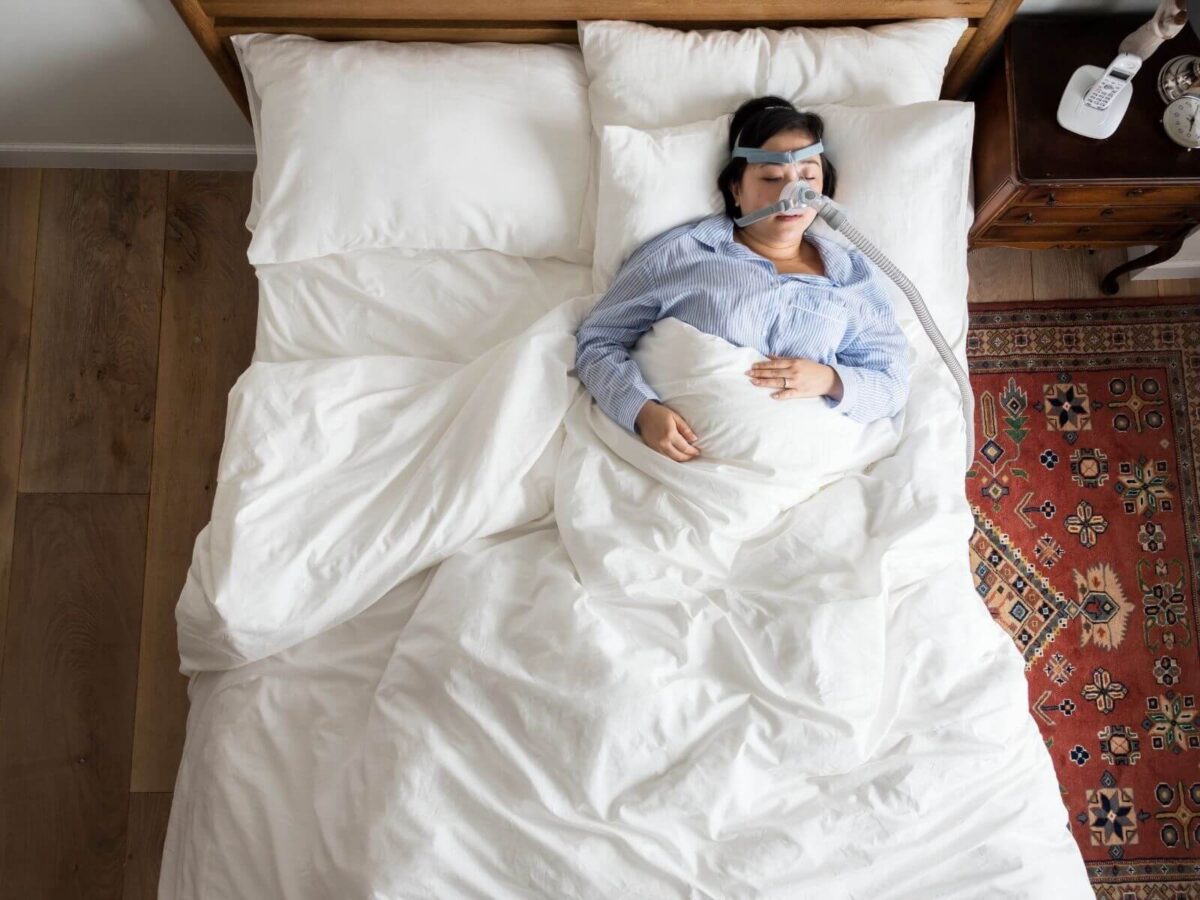
Can Your Dentist Detect Sleep Apnea? What You Need to Know
Sleep apnea rarely feels urgent in the beginning. It’s inconsistent. Some nights are fine, others aren’t. That makes it easy to overlook, or at least delay doing anything about it.
Dental care usually isn’t part of that early thinking. It seems separate. Even so, the link between sleep apnea and a dentist keeps coming up more often, especially when symptoms don’t have a clear explanation.
What dentists look at isn’t always obvious to patients, but it matters in this context. That’s why dental sleep apnea treatment has become more common over time. It’s not presented as a complicated solution. If anything, it can feel a bit easier to manage than expected. And sometimes that’s all people really need to move forward with it.
It Usually Starts With Something That Doesn’t Seem Related
The early signs don’t always feel connected at first. It doesn’t usually come across as a breathing issue, and not everyone notices snoring. What tends to show up instead can feel unrelated. Slight wear on the teeth. A tight feeling in the jaw after waking up.
Headaches that appear every now and then without a clear reason.
On their own, these things don’t seem serious. Most people don’t think much of them. But when they start showing up together, it can point toward something more consistent. That’s often where the connection between sleep apnea and dentists begins to come up. From there, depending on what’s noticed, dental sleep apnea treatment may be considered.
Why Dentists Even Notice This in the First Place
Dentists see things other people don’t. Not because they’re looking for sleep problems, but because they’re already examining areas where those problems quietly show up. Your bite, your jaw tension, the way your teeth wear down over time—these are small indicators that build slowly.
And here’s something interesting. Research done by the American Academy of Dental Sleep Medicine shows that around 76% of dentists report screening for obstructive sleep apnea in some way, even if it’s not a formal diagnosis process. That doesn’t mean they’re diagnosing it. But it does mean they’re noticing patterns.
What This Really Means For You
Sleep apnea itself is more common than people assume. According to data from the American Dental Association, average prevalence estimates suggest about 22% of men and 17% of women may have obstructive sleep apnea.
And here’s the part that changes how you look at it. Millions of cases go undiagnosed. According to Decision In Dentistry, in the U.S. alone, over 23 million people are estimated to have undiagnosed sleep apnea. So it’s not rare. It’s just missed.
So, can a Dentist Detect Sleep Apnea? Not Exactly—but Close
This is the part that can be a little confusing. A dentist isn’t diagnosing sleep apnea the way a sleep specialist would. That still involves medical testing, often done overnight to track breathing during sleep. What dentists can do, though, is notice early signs. And sometimes, that happens sooner than people expect.
The signs themselves don’t always feel connected to sleep. Grinding, clenching, small changes in how the airway sits, and even tongue position. None of these stand out on their own.
But when they appear together, they start to form a pattern. That’s where sleep apnea and dental care begin to overlap. It’s not about confirming anything right away, just recognizing that something might be off.
The Signs That Raise Suspicion (Even If You Haven’t Noticed Them)
Sleep apnea isn’t always obvious. A lot of the time, people have it and don’t realise. It happens during sleep, so it gets missed. Instead, the signs show up indirectly.
Things like:
- Teeth grinding that you don’t remember doing
- Jaw soreness in the morning
- Dry mouth after waking up
- Ongoing fatigue even after “enough” sleep
Some studies even note that sleep apnea patients often experience dry mouth and dental discomfort due to mouth breathing. Again, none of these confirms anything. But together, they point somewhere.
What Happens After a Dentist Suspects It
This part is fairly straightforward, even if it doesn’t always get explained clearly. Dentists don’t move forward without a proper understanding of what’s going on. If something seems off, they usually suggest a sleep study. That’s where an actual diagnosis is made, with overnight monitoring that looks at breathing patterns, oxygen levels, and sleep cycles in detail.
So their role is a bit different. They’re often the first to notice that something might not be right. In that sense, dentists detect sleep apnea risk earlier than expected, even if they’re not the ones confirming it. From there, the process shifts to medical evaluation, where everything is measured more precisely.
Where Dental Sleep Apnea Treatment Comes In
Treatment after diagnosis isn’t always straightforward. It depends on severity, but also on what someone can actually continue using. CPAP machines are usually mentioned first. They’re effective, but not everyone sticks with them. Some try, then stop. It’s pretty common.
So over time, other options start coming up. That’s usually where dental sleep apnea treatment fits in. Not as a replacement in every case, just another way to approach it.
The difference is in how it works. Oral appliances don’t push air. They adjust the position of the jaw during sleep. It’s subtle. Doesn’t feel like much at first. But for some people, it’s easier to stick with, and that matters more than anything else.
What Do Oral Appliances Do
An oral appliance for sleep apnea looks pretty simple. Kind of like a retainer. But it works differently. It gently moves the jaw forward just enough to prevent airway collapse. That small adjustment helps maintain airflow throughout the night.
And that’s the goal—not forcing breathing, just making it easier. Some people adjust quickly. Others take time. But it’s one of the more commonly used alternatives for mild to moderate cases.
Sleep Apnea Mouth Guard vs Regular Night Guard
This is where people get confused. They look similar. They’re not the same. A regular night guard protects your teeth from grinding. A sleep apnea mouth guard is designed to improve airflow. One protects. The other treats. Using the wrong one doesn’t solve the underlying issue.
Why So Many Cases Go Undetected
Because nothing feels dramatic, that’s really it. You might feel tired, but that can be blamed on anything. Stress, routine, sleep habits. There’s no obvious moment where you think, “This is a breathing problem.”
And since it happens while you’re asleep, there’s no direct awareness. That’s why detection often depends on someone else noticing something. Sometimes a partner. Sometimes a dentist.
The Role Dentists Are Starting to Play (And Why It’s Growing)
The role of dentists in this area is becoming more recognized. Many dentists do screen for sleep apnea, but not all feel fully confident doing it, and screening isn’t always consistent across all patients. That’s changing slowly. Because awareness is increasing.
And because dentists often see patients more regularly than physicians. This puts them in a unique position.
FAQs
Can a dentist detect sleep apnea?
Not really diagnose it on their own. But they do notice signs sometimes and usually tell you to get it checked properly with a sleep study.
What is dental sleep apnea treatment?
With dental sleep apnea treatment, the idea is to use an oral device at night so the airway doesn’t narrow as much.
Oral appliance – How is it used for sleep apnea?
It’s a custom device you wear at night. It shifts the jaw a little so breathing stays steadier.
Is a sleep apnea mouth guard just a night guard or not really?
No, they’re different things. A night guard is for grinding. This one is for breathing.
Conclusion
The connection between sleep apnea and dentist visits isn’t obvious in the beginning. It’s usually something people figure out later, not right away. A few signs show up, but they don’t seem related, so nothing really gets done about them.
Have you noticed that kind of pattern? You could bring it up during your next appointment. No need to make it sound serious. Just say it as it is and see what they think.

