
Blog
Dental hygiene tips for healthy teeth & gums
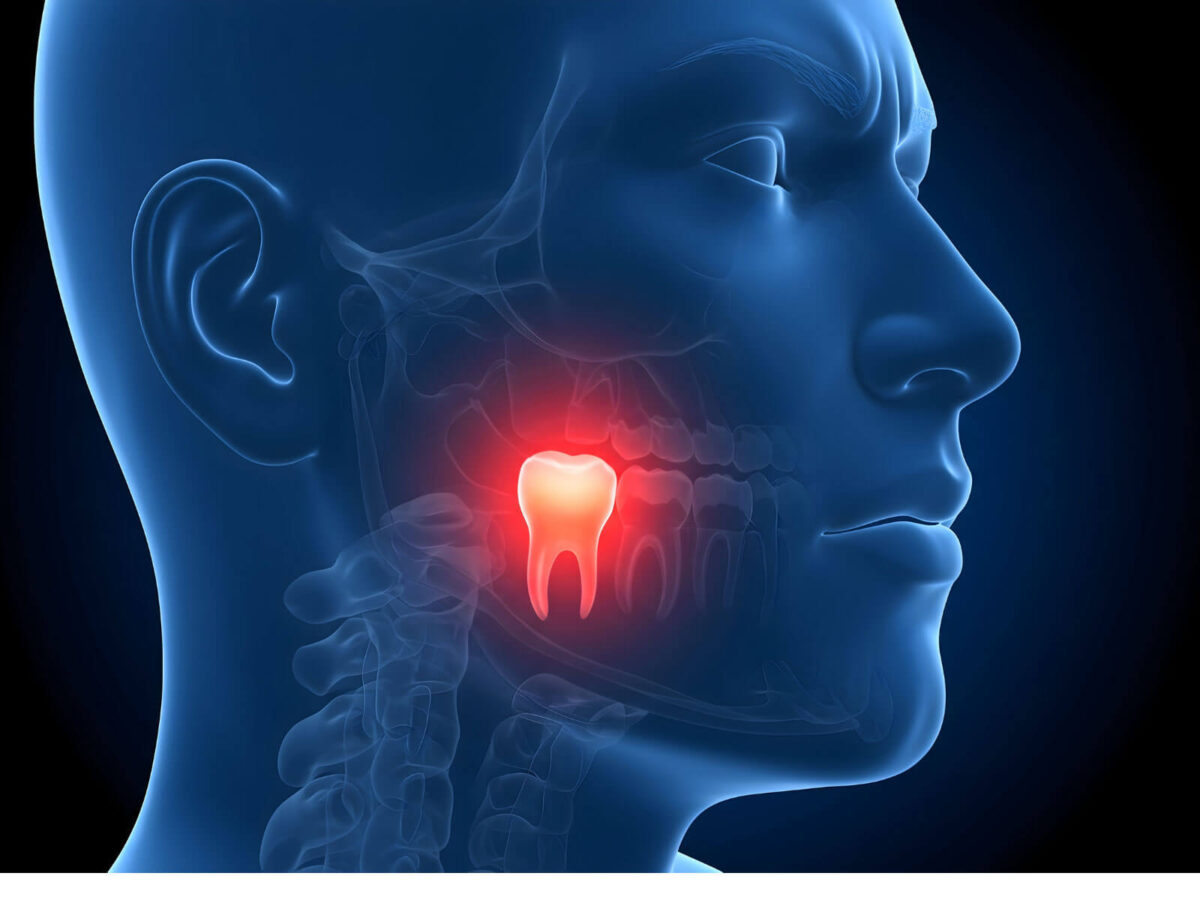
Impacted vs Erupted Wisdom Tooth
When people ask about impacted vs erupted wisdom teeth, it is usually because something has already come up. Maybe there was a mention during a checkup. Maybe an X-ray showed something unexpected. Sometimes there is discomfort, but not always.
A wisdom tooth may come in enough to be visible behind the rest of your teeth. It might not look perfectly straight, and it often ends up slightly tucked behind the other molars. In many cases, it sits a little farther behind the other molars. Even so, they’ve finished coming in.
An impacted wisdom tooth, on the other hand, has not fully made it into position. It may be covered by gum. It may be partly visible. In some cases, it is completely under the surface, quietly sitting there.
The difference sounds simple, but that position affects how the tooth behaves over time. A tooth that erupts fully usually adapts to the space available. A tooth that does not have enough room adjusts differently. And that adjustment is often what brings the topic up in the first place.
Most wisdom teeth begin developing in the late teenage years. Some move into place without much attention. Others never quite find their way. That is where the distinction between impacted vs normal wisdom teeth begins to matter.
Why Does Space in the Jaw Change the Way a Wisdom Tooth Develops?
Space is not something people think about until there is a problem. But for wisdom teeth, space is almost everything. If there is adequate room behind the second molar, the wisdom tooth generally continues its upward movement and emerges. It might not be perfect, but it becomes part of the bite. Cleaning it may require extra effort, yet it functions.
When there is not enough room, the direction shifts. The tooth may lean forward slightly. It may angle toward the neighboring molar. It may stay partly under the gum longer than expected. Sometimes it never fully emerges at all. Impaction is more common than many assume. According to studies, a large percentage of adults have at least one third molar that does not erupt completely.
What makes impacted vs erupted wisdom tooth discussions important is not simply the label. It is what that position means over time. Partially covered teeth aren’t easy to clean. When one presses into the next tooth, it can leave little pockets where plaque settles and stays.
Not every impacted tooth causes pain. Some remain stable for years and are only noticed on imaging. Limited space can affect how the tooth settles in. That usually plays a role in deciding whether it can be monitored or needs removal.
Symptoms in Impacted and Erupted Wisdom Teeth
Symptoms don’t always appear right away. That’s something people often misunderstand when discussing impacted vs erupted wisdom tooth concerns. Position does not automatically mean pain.
An erupted wisdom tooth may feel completely normal. An upright tooth with adequate space can blend in with the rest of the molars. The difficulty tends to be brushing around it.
Plaque usually settles near the back teeth. That area isn’t the easiest to reach, and sometimes the brush doesn’t quite get there. Studies have shown higher rates of decay in third molars compared to other teeth, largely because of limited access during cleaning.
An impacted wisdom tooth behaves differently, especially when it is partially erupted. A small flap of gum may rest over part of the tooth. Food particles can become trapped beneath that tissue.
Swelling may follow, sometimes mild, sometimes persistent.
Some patients describe pressure more than sharp pain. Others notice stiffness in the jaw or tenderness when chewing. There are also many cases where nothing is felt at all. The tooth is discovered only through imaging.
That unpredictability is why the distinction matters. The label alone does not tell the full story. The condition of the surrounding tissue often tells more.
How Is Impacted vs Erupted Wisdom Tooth Evaluated?
A routine dental visit is usually where this gets evaluated. If the tooth is already through the gum, it can be examined without much difficulty. Attention is given to its alignment, its proximity to the adjacent molar, and the condition of the gum around it.
When an eruption seems off, an X-ray tends to follow. A panoramic image provides a wider look at the tooth and its position in the jaw.
It might lean forward, lie on its side, or remain partly buried in bone. These wider images are commonly used to check how third molars are developing and how close they are to nearby teeth and nerves.
That image often explains more than symptoms do. Sometimes a tooth looks stable even when it is impacted. Other times, it is clear that pressure is being placed on the adjacent molar.
Understanding impacted vs normal wisdom teeth involves looking beyond what is visible in the mouth. The angle and depth matter.
When Is Removal Considered?
Removal is not based on position alone. Many impacted teeth remain under observation for years. The decision usually comes when symptoms repeat or risk increases.
If swelling occurs more than once around a partially erupted tooth, that pattern often influences the conversation. If the tooth presses against the neighboring molar in a way that makes cleaning nearly impossible, that becomes another factor.
Information from the National Institute of Dental and Craniofacial Research shows that wisdom teeth aren’t removed routinely without reason. Infection, crowding, and impact on nearby teeth are among the situations that usually lead to that decision.
At the same time, not every impacted wisdom tooth requires surgery. Some remain quiet. Some adapt to the limited space without causing further concern.
That is why monitoring plays such a large role in impacted vs erupted wisdom tooth decisions. The direction of change over time matters more than the initial label.
Why an Erupted Wisdom Tooth Might Create Problems Later
Yes. Even after an eruption, conditions can shift gradually. Gum tissue may recede slightly. Cleaning habits may change. Small cavities may develop in areas that are difficult to see.
Their position at the back of the mouth makes erupted wisdom teeth harder to monitor. That doesn’t automatically lead to extraction. It means regular evaluation is important.
Many erupted wisdom teeth remain stable for decades. Others develop issues quietly. The difference often comes down to alignment and maintenance.
The topic of impacted vs erupted wisdom tooth isn’t always clear-cut. In many cases, it’s less about labels and more about how the tooth holds up over time.
FAQs
Is an impacted vs erupted wisdom tooth always painful?
No. Many impacted teeth cause no discomfort at all, especially when fully embedded. Pain tends to occur when an infection develops.
Are impacted vs normal wisdom teeth more serious?
A partly erupted impacted tooth may create more risk. The outcome varies with jaw structure and cleaning habits.
Can an erupted wisdom tooth shift years later?
Teeth can move slightly over time, particularly if space remains limited. Monitoring helps detect those changes early.
Should wisdom teeth be removed before they cause problems?
That depends on positioning and risk. Some benefit from early removal. Others do not.
Conclusion
Wisdom teeth often develop long before symptoms show up. Discussing their position early provides clarity. It allows you to understand whether there is sufficient space and how the tooth is oriented.
Sometimes the best approach is simply observation. Sometimes preventive removal reduces the likelihood of repeated swelling or damage to adjacent teeth.
If you’ve been told you’re dealing with an impacted vs erupted wisdom tooth, don’t leave it as a vague note in your chart. Schedule a visit and have it looked at properly. A clear evaluation now can prevent uncertainty later.

