
Blog
Dental hygiene tips for healthy teeth & gums
Dental Sealants Pros and Cons: Are They Worth It? Costs and Risks
Sealants sound simple when dentists mention them during routine cleanings. A quick coating on the chewing surfaces. No drilling. No needles most of the time. The appointment itself usually feels uneventful compared to fillings or crowns. Still, parents often pause once the recommendation comes up for the first time.
Questions around dental sealants’ pros and cons usually start after dentists point out deep grooves on children’s molars or mention cavity prevention during checkups. Some parents agree immediately. Others want to understand whether sealants are actually necessary or just another optional add-on during preventive visits.
The conversation tends to become more common around ages six to twelve once permanent molars begin erupting. That timing matters quite a bit.
According to the Centers for Disease Control and Prevention, school-age children without sealants have almost three times more cavities than children with sealants.
What Dental Sealants Actually Are
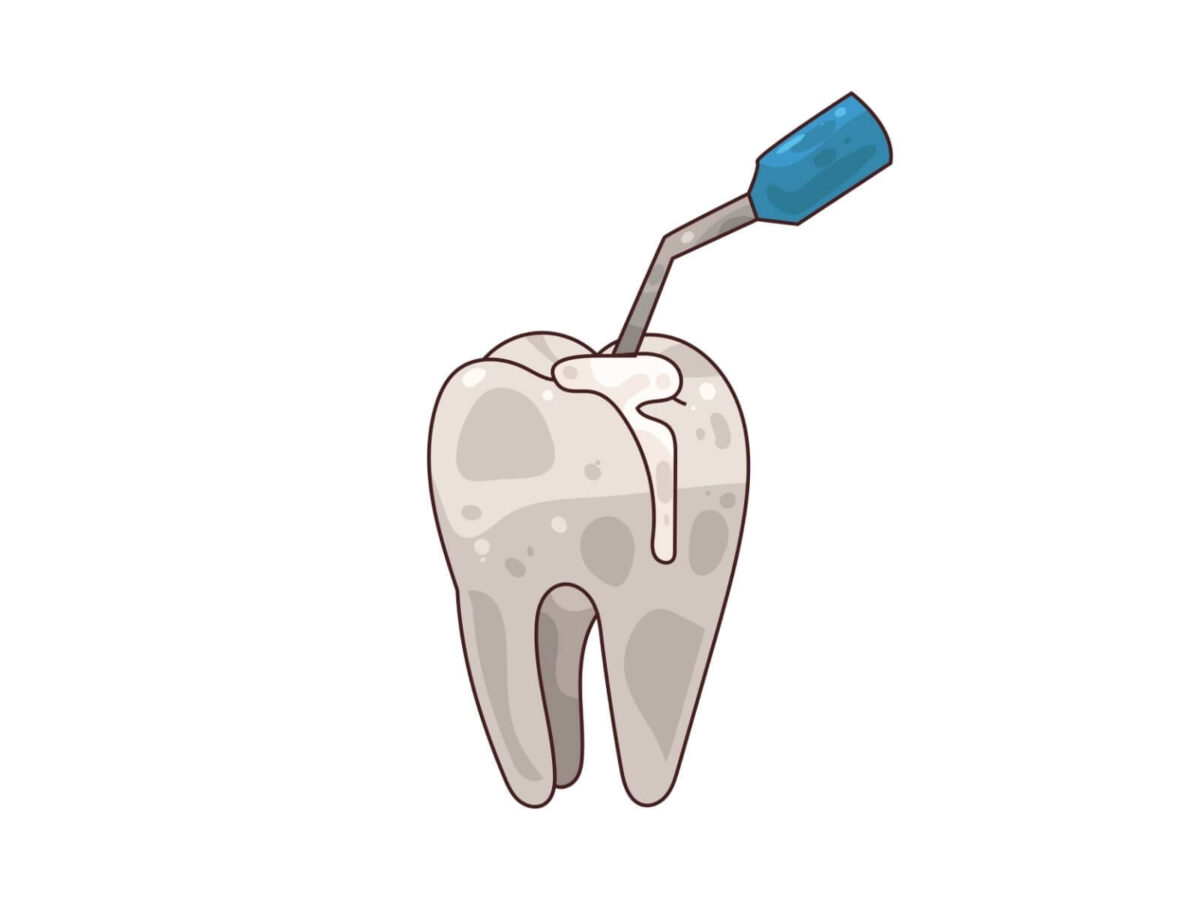
Sealants are thin protective coatings placed over the chewing surfaces of molars. Mostly the back teeth. Those teeth contain deep grooves naturally, and food particles settle there constantly. Toothbrush bristles do not always reach the narrow pits effectively, either.
The sealant material flows into those grooves and hardens over the surface afterward. The procedure itself usually feels quick and fairly boring, honestly. No major recovery afterward.
Why Dentists Recommend Sealants So Often For Kids
The chewing surfaces of children’s molars collect cavities pretty easily once permanent teeth erupt. Especially the first molars around age six. Those grooves stay deep in certain kids. Dentists notice it immediately during exams. Some molars almost look like tiny canyon systems under bright dental lights.
That is where the discussion around dental sealants for kids’ pros and cons usually begins. The goal stays preventive more than restorative. Dentists would rather seal vulnerable grooves early instead of placing fillings later once decay begins underneath.
According to the ADA, sealants can reduce cavity risk in molars by up to 80% for the first two years after placement.
The Appointment Usually Feels Extremely Simple
Most sealant appointments move quickly. The tooth gets cleaned first. Then dried carefully. A conditioning solution roughens the enamel slightly so the sealant bonds properly afterward. Then the liquid sealant goes onto the tooth surface. A curing light hardens it within seconds. That is usually the whole process. Kids often react more strongly to regular cleanings than to sealants themselves.
Dental Sealants Pros And Cons Become More Noticeable Over Time
Most dental sealants pros and cons discussions start around protecting molars from cavities. Deep chewing grooves trap buildup pretty easily in some children, so sealants create a thin barrier over those surfaces. A lot of parents prefer handling prevention early instead of dealing with fillings later.
The downside is that sealants still need follow-up over time. Some loosen, chip, or wear down gradually after years of chewing. Dentists normally check them during regular visits to make sure the protective layer is still holding properly.
Sealants Do Not Replace Brushing
That misunderstanding happens surprisingly often. Some parents hear “cavity protection” and assume sealants solve everything automatically afterward. Dentists usually repeat the same reminder during appointments.
Most sealants are placed over the chewing grooves only. Brushing and flossing still handle the other tooth surfaces. Cavities around the gums or between teeth can still happen, especially with sugary snacks throughout the day.
Dental Sealants Feel Different For Adults
Sealants are used most often in children once the permanent back molars start coming in. Dentists usually focus on prevention early because those back grooves collect buildup pretty easily. Most dental sealants for kids’ pros and cons discussions revolve around lowering cavity risk before decay starts.
Deep grooves and cavity history sometimes make sealants worth considering for adults, too. Many adult molars already have wear or older fillings, though, so the usefulness is not always the same as it is in children.
Why Some Parents Hesitate About Sealants
Parents ask similar questions pretty often during these conversations. How long do they last? Are they necessary? Can bacteria get trapped underneath? Do they contain BPA? Those concerns circulate online constantly now.
Studies on dental sealants generally show good results when the sealants are placed correctly and checked during routine visits. Still, hesitation remains common anytime children’s dental treatments enter the discussion.
According to the American Academy of Pediatric Dentistry, sealants are still considered one of the more effective preventive treatments for molar cavities in children and adolescents.
The Cost Usually Stays Lower Than Fillings
Sealants cost much less than treating cavities later. That becomes part of the conversation pretty quickly once dentists compare preventive care against restorative treatment expenses. Many insurance plans partially or fully cover sealants for children within certain age ranges, too. Especially permanent molars.
Without coverage, sealants still tend to remain relatively affordable compared to fillings or crowns later. The financial side of dental sealants’ pros and cons usually favors prevention pretty heavily.
Sealants Can Wear Down Gradually
They do not stay perfect forever. Heavy chewing pressure wears them down slowly over time. Certain sections chip away eventually. Some sealants last a long time without problems. Others need repairs or replacement much earlier.
Dentists check them during routine exams constantly. That follow-up part matters more than people realize initially. A partially missing sealant loses effectiveness once grooves become exposed again.
Why Deep Grooves Cause So Many Problems
Certain molars simply trap food more aggressively. Tiny toothbrush bristles cannot always clean the narrow fissures fully. Sticky foods settle into the grooves repeatedly throughout the day. Those chewing surfaces become common cavity locations fairly quickly in children.
The reasoning behind the pros and cons of dental sealants makes more sense once people actually see how deep some molar grooves look clinically. Some are surprisingly narrow.
Sealants Work Better Before Cavities Start
Timing changes the usefulness quite a bit. Sealants perform best on healthy teeth before decay develops underneath the grooves. Once cavities begin, fillings usually become the better option instead. Dentists sometimes catch tiny suspicious grooves early, though. Then the decision becomes less straightforward. Monitoring versus sealing conversations happen pretty often there.
According to the CDC, children ages 6 through 11 without sealants have nearly three times more first molar cavities than children with sealants.
Adults Sometimes Wish They Had Them Earlier
That comment comes up more than people expect. Adults with multiple molar fillings occasionally hear dentists mention sealants during their children’s appointments and realize preventive treatment might have reduced some of their own restorative work years earlier. The grooves tend to tell the story pretty quickly. Especially older molars filled repeatedly over time.
FAQs
What are the main dental sealants’ pros and cons?
The main benefit is extra protection on deep molar grooves where cavities often begin. The downside is that sealants can wear down gradually. They may need rechecking or replacement later.
Are sealants mostly for children?
Yes. Dentists place them pretty often once permanent molars come in.
Do sealants save money long term?
Sealants cost much less than fillings or crowns later on. Some parents still debate the extra preventive cost in the beginning.
Do sealants hurt?
Usually no. The appointment tends to move pretty quickly, and drilling is often not involved.
What about dental sealants for kids, pros and cons specifically?
For many kids, sealants help protect back molars during the years cavities tend to start showing up more often.
Conclusion
The discussion around dental sealants’ pros and cons usually becomes a question of prevention versus future dental work. The procedure itself stays pretty simple. Most appointments move quickly, and there is not much recovery afterward. Sealants mainly help protect deep molar grooves where food and plaque tend to collect more easily in children.
Questions around the pros and cons of dental sealants are still completely normal for parents trying to decide what makes sense. If your child has cavity-prone molars or deep chewing grooves? Talking with a dentist helps. Asking about sealants during a regular cleaning appointment can help clarify the options better.

