
Blog
Dental hygiene tips for healthy teeth & gums
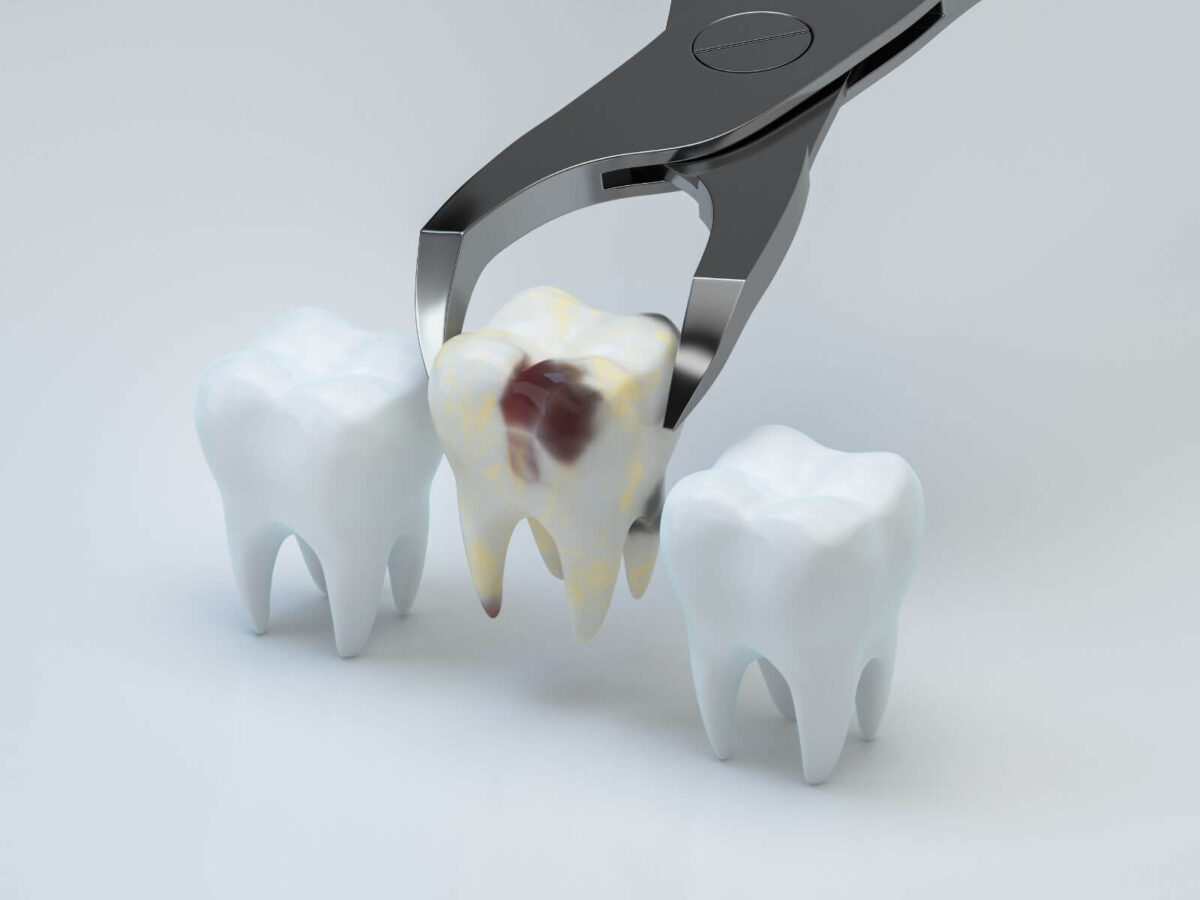
Same-Day Tooth Extraction and Implant: Process, Candidacy, and Recovery
Most people assume dental implants always happen months after an extraction. That used to be the standard expectation for a long time. Remove the tooth first. Wait for healing. Return later for implant surgery. Then wait again before the final crown. Now the timeline sometimes moves much faster.
Questions around same-day tooth extraction and implant treatment usually begin once dentists mention immediate implant placement during consultations. Patients hear phrases like “leave with the implant the same day” and immediately start wondering whether that sounds genuinely safe or just aggressively convenient. The idea feels strange initially.
The extraction and implant placement both happen during one visit. No empty space sitting there for months. No second surgery later for placement.
According to the American Academy of Implant Dentistry, dental implants are already used by more than 3 million people across the United States.
What Same-Day Implant Placement Actually Means
The process sounds exactly like it sounds. The damaged tooth gets removed first. Then the implant gets placed directly into the extraction socket during the same visit if the bone condition allows it. Not every case qualifies, though.
That becomes clear fairly quickly during evaluations for same-day tooth extraction and implant treatment. Bone stability matters a lot. Infection levels matter too. The surrounding gum tissue condition changes the decision heavily. Some extraction sites stay ideal for immediate placement. Others do not.
Why People Like The Idea Of Immediate Implants
The shorter timeline attracts people immediately. Most people want to avoid spending months with a missing front tooth if possible. The idea of combining surgery into one appointment sounds easier mentally, too. Less waiting. Fewer surgical visits. Fewer interruptions overall.
The conversation around “implant same day as extraction” usually becomes more appealing once patients understand traditional implant timelines can stretch across several months. Especially after bone grafting procedures.
The Tooth Extraction Part Still Matters A Lot
The extraction itself needs to stay controlled and careful. Dentists try to preserve as much surrounding bone as possible during same-day tooth extraction and implant procedures because the implant relies heavily on that remaining support afterward.
Some teeth come out fairly cleanly. Others fracture during removal or already have severe bone damage beforehand. That changes the treatment plan quickly sometimes. Especially with older infections.
Infection Changes The Conversation
People ask about infected teeth constantly during implant consultations. Can an implant still happen immediately if an infection already exists? Sometimes yes. Sometimes absolutely not.
The severity matters. Bone condition matters too. Dentists evaluate whether enough healthy structure remains stable after removing infected tissue from the area.
The decision around same-day extraction and implant treatment rarely stays automatic once active infection becomes part of the picture.
Front Teeth Usually Create More Urgency
Front tooth extractions create different emotional reactions. People care much more about temporary appearance there. That makes immediate implants feel especially attractive for visible smile areas.
Dentists sometimes place temporary crowns quickly afterward, depending on stability levels. The pressure around esthetics becomes obvious pretty fast during these consultations. Especially the upper front teeth.
According to research published through the National Institutes of Health, immediate implant placement in properly selected cases shows high survival rates comparable to delayed implant placement.
Bone Quality Controls A Lot Of The Decision
Bone stability changes everything. The implant needs enough healthy surrounding bone to remain secure immediately after placement. Certain extraction sockets feel solid and predictable during surgery. Others feel soft or compromised.
That becomes one of the biggest deciding factors for same-day tooth extraction and implant candidacy. People sometimes arrive expecting immediate implants automatically because they saw advertisements online. Then the CBCT scan changes the conversation entirely.
What The Surgery Usually Feels Like
The appointment often feels longer mentally than physically. Local anesthesia is commonly used during implant surgery to numb the area properly. Sedation sometimes becomes part of the plan, too, depending on the case itself.
Pressure sensations and vibration happen during implant placement. The actual implant itself usually gets inserted fairly quickly once the socket preparation finishes. Then everybody starts discussing healing timelines immediately afterward.
Temporary Teeth Sometimes Happen Right Away
Not every implant receives a temporary crown immediately. That depends heavily on stability. Front teeth receive immediate temporaries more often for cosmetic reasons. Back teeth stay different because chewing forces become stronger there.
The temporary crown usually stays out of heavy biting contact during healing anyway. People misunderstand that part pretty often. The implant may look finished externally, while the deeper bone integration still takes months underneath.
Recovery Feels Different From Simple Extractions
Healing after same-day tooth extraction and implant surgery feels slightly more protective compared to ordinary extractions. Patients get warned repeatedly about chewing pressure early afterward. Soft foods become important during the beginning stages. Smoking discussions happen constantly, too, because implant healing reacts poorly to nicotine exposure.
Swelling varies. Some people barely swell at all. Others look noticeably puffy for several days afterward. The American Academy of Periodontology continues to report higher implant complication and failure rates among smokers.
Why Dentists Sometimes Recommend Bone Grafting
Even immediate implants sometimes require grafting. Small bone gaps may remain around the implant once it is placed into the extraction socket. Dentists frequently pack grafting material into those spaces to support healing afterward.
Patients hear “same-day implant” and imagine zero additional procedures. The reality stays more layered than that in certain cases. Especially larger extraction sites.
Not Everybody Qualifies For Immediate Placement
Some cases move toward delayed implant treatment because of bone loss, uncontrolled infection, heavy smoking, or unstable gum conditions.
The implant success rate matters more than speeding up the timeline unnecessarily. Good candidacy for same-day extraction and implant treatment depends heavily on individual anatomy and healing potential. Not marketing promises.
The Healing Timeline Still Takes Months
The implant may go in immediately. Healing does not become immediate, though. Bone integration still requires time underneath the gums. The implant gradually bonds with surrounding bone over several months through osseointegration. Patients often feel confused because the implant already “looks done” externally. The deeper healing process stays slower.
The American Association of Oral and Maxillofacial Surgeons still highlights successful osseointegration during healing. Implant stability depends heavily on that process.
Why People Still Choose Same-Day Implants
Convenience becomes a huge factor. Fewer surgeries appeal to people immediately. Faster cosmetic replacement matters too. Some patients simply want the process finished as efficiently as possible once a failing tooth finally gets removed.
The appeal of implant same day as extraction treatment keeps growing, partly because patients dislike extended treatment timelines stretching across most of a year. That frustration comes up constantly during consultations now.
FAQs
Can an implant really be placed the same day as extraction?
Yes. Certain cases qualify for immediate placement after tooth removal.
Is same-day tooth extraction and implant treatment painful?
The procedure itself stays numb. Recovery soreness varies afterward.
Does “implant same day as extraction” work for infected teeth?
Sometimes. Depends on infection severity and bone stability.
Is same-day extraction and implant faster overall?
Usually, yes, compared to delayed implant timelines.
Do immediate implants heal instantly?
No. The deeper bone integration still takes months.
Conclusion
The interest around same-day tooth extraction and implant treatment usually grows once patients realize how long traditional implant timelines can stretch out. Combining extraction and implant placement into one visit shortens part of the process and may help preserve the shape of the gums and surrounding bone more naturally. That cosmetic side matters even more near the front teeth.
A lot of questions about implants, same day as extraction treatment, eventually come down to whether the tooth and bone qualify for immediate placement. Some cases heal well with same-day treatment, while others still need grafting or delayed healing first.
A failing tooth usually brings up a lot of timing questions pretty quickly. Discussing immediate implant options with a dentist can help clarify what treatment path makes the most sense.

