
Blog
Dental hygiene tips for healthy teeth & gums
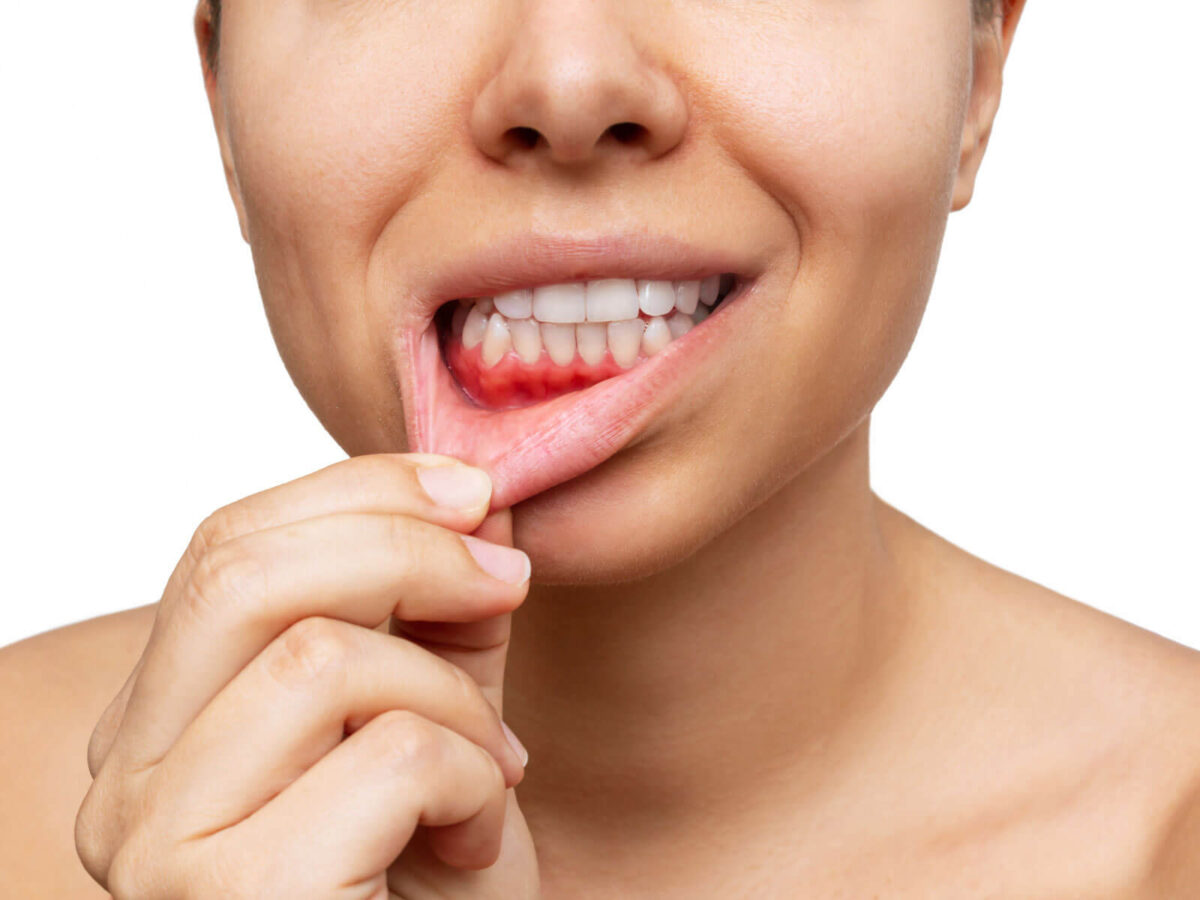
Swollen Gums: Causes, Treatment, and When to See a Dentist
What Gum Swelling Usually Feels Like At First
Gum problems rarely begin with something obvious. Usually, the change isn’t very noticeable. The gums may just seem slightly fuller. Maybe slightly red. Brushing feels different, not exactly painful, just uncomfortable.
This is how gum swelling often starts. It is quiet and easy to ignore. Some people only notice it while flossing. Others feel it when eating something crunchy.
The early stage does not always bring pain, and that is part of the problem. When something does not hurt, it feels less urgent.
Sometimes the swelling stays in one spot. Other times, it spreads slowly across the gumline. The change may seem minor, but it usually means the gums are reacting to something.
According to the Centres for Disease Control and Prevention, nearly half of adults show signs of gum disease, and swelling is often one of the earliest indicators.
Why Gum Swelling Happens In The First Place
Gums are a sensitive tissue. They tend to react pretty quickly when something isn’t right. Most of the time, it comes down to plaque buildup. Plaque forms naturally on teeth. It is a thin film filled with bacteria. If it is not removed regularly, it starts affecting the gumline.
This leads to inflammation. The body responds to what’s there, and the gums can start to swell slowly. At first, it might just be a slight change. Over time, it becomes more noticeable. There are other causes as well. Hormonal changes can affect gum response. Certain medications may cause the gums to enlarge slightly. Even a lack of vitamins can contribute.
All of these factors show one thing clearly. Gum swelling is usually a response, not the problem itself.
What Swollen Gums Around a Tooth Could Mean
If it’s around one tooth, it’s usually not by chance. Something is causing it in that exact spot. It might be minor, but still worth checking. Often, it starts with food getting stuck. It’s easy to miss, especially between tight teeth. If it stays there, bacteria build up slowly. The gum reacts to that, and irritation starts.
You don’t always notice it straight away. Then one day, you touch it, and it’s sore. Brushing that area feels a bit uncomfortable too. That’s when swollen gums around a tooth start to show.
At times, the problem goes deeper than what you can see. It can be deeper. An infection inside the tooth may spread outward, and the swelling feels more intense in those cases. People often notice it after meals. It feels fine at first, then slightly tender later. That small shift is usually the sign.
How Gingivitis Gradually Leads To Swelling
Gingivitis is a disease that starts with gum issues, but it does not manifest itself immediately. It accumulates gradually, and at the beginning of the stages of growth, it is quite difficult to detect.
The beginning of the accumulation of plaque on the gumline occurs bit by bit. Given that it is not something that can be easily observed to be present, it is something that is not immediately noticeable.
Then the gums start to react. They may be slightly red or even somewhat swollen and occasionally bleeding a little during brushing, which does not always seem like a big deal at the moment.
At that stage, the gum swelling is still mild, so it doesn’t feel like a big deal. People usually ignore it. Then, over time, it starts to show a bit more. The swelling lingers. The gums may slowly pull back from the teeth. It’s a gradual change. That makes it easy to overlook early on.
Why Infections Can Cause Sudden And Noticeable Swelling
Every now and then, the swelling doesn’t feel the same. It shows up faster and feels stronger. This is usually what makes people notice it. That kind of change often points to an infection. Once bacteria move deeper into the gums, the reaction is different, not as mild, and you can usually tell.
The area might feel warm, or the gum may look more swollen than expected. Sometimes it feels tight. In a few cases, a small pocket of pus can form. This type of swollen gums issue doesn’t really go away on its own. It usually stays and can get worse with time.
If nothing is done, the infection can spread deeper. That’s usually when the discomfort increases, and other signs start showing.
How Everyday Habits Slowly Affect Gum Health
Gum health is often shaped by what you do every day. Not one big thing, just small actions repeating over time.
Going too hard with brushing can hurt the gums. At the same time, poor brushing leaves plaque behind. Both situations lead to inflammation.
What one eats is also important. The snacking keeps the mouth in a slightly sour condition that is not supposed to last so long, as snacking food bacteria feed on it.
Smoking adds another layer. It reduces blood flow to the gums. Healing becomes slower. Inflammation becomes more likely.
These patterns do not show results immediately. They build slowly. Eventually, they lead to gum swelling that becomes hard to ignore.
What Treatments Help Reduce Gum Swelling Effectively
There isn’t one fixed way to treat it. It really depends on what’s causing the problem in the first place. A lot of cases just come down to basics. Cleaning daily and keeping plaque from building up. That alone can sometimes help the gums recover.
But when the buildup has been there for a while, brushing alone won’t do much. Once plaque hardens, it has to be cleaned professionally. If there’s an infection, then it needs more attention. Sometimes medication, sometimes deeper cleaning. It depends. But the idea stays the same. Deal with what’s causing it, and the gums usually follow.
When Gum Swelling Should Not Be Ignored
Not everything should be ignored. If the swelling hasn’t gone down after a few days, it’s better to have it looked at. Bleeding or pus usually means something’s off. If it starts spreading or feels worse, it might be something deeper. People do wait sometimes, thinking it will settle. It might. It can, but not always. And that’s where timing matters.
How Prevention Helps Over Time
Prevention does not necessarily need to be complex. It primarily has to do with following the basics and not omitting them too frequently. Keeping up with daily cleaning helps control plaque. Regular dentist visits catch problems early.
Diet plays a part as well. Bacteria do not have much to feed on when the sugar is reduced. It may not feel like much at first. But over time, it really counts. Staying consistent with these habits helps keep gums healthy and reduces repeat issues.
FAQs
What’s behind swollen gums?
Gum swelling doesn’t just happen randomly. Most of the time, it’s linked to plaque. Infection, hormonal shifts are some causes too. It is also linked to the gaps in daily oral care.
What’s causing swelling around one of my teeth?
When it’s just one tooth, it’s usually something in that spot. Maybe something stuck there, or just irritation. Even a little buildup can set it off.
Do swollen gums improve by themselves?
Sometimes, yes. If it’s mild. But if the swelling stays, it usually needs more than just home care.
How do I know if gum swelling needs a dentist visit?
If it hasn’t settled in a few days, something’s off. And if there’s pain or bleeding too, get it checked.
Conclusion
Gum swelling often begins quietly. It does not demand attention right away. That is why it is easy to ignore. Over time, the signs become clearer. The discomfort increases. The cause becomes harder to overlook.
Understanding gum swelling helps catch the problem early, before it turns into something more serious.
Noticing ongoing swelling around a tooth? That’s usually a sign to get it checked. Acting early helps prevent complications and keeps things stable long term.

