
Blog
Dental hygiene tips for healthy teeth & gums
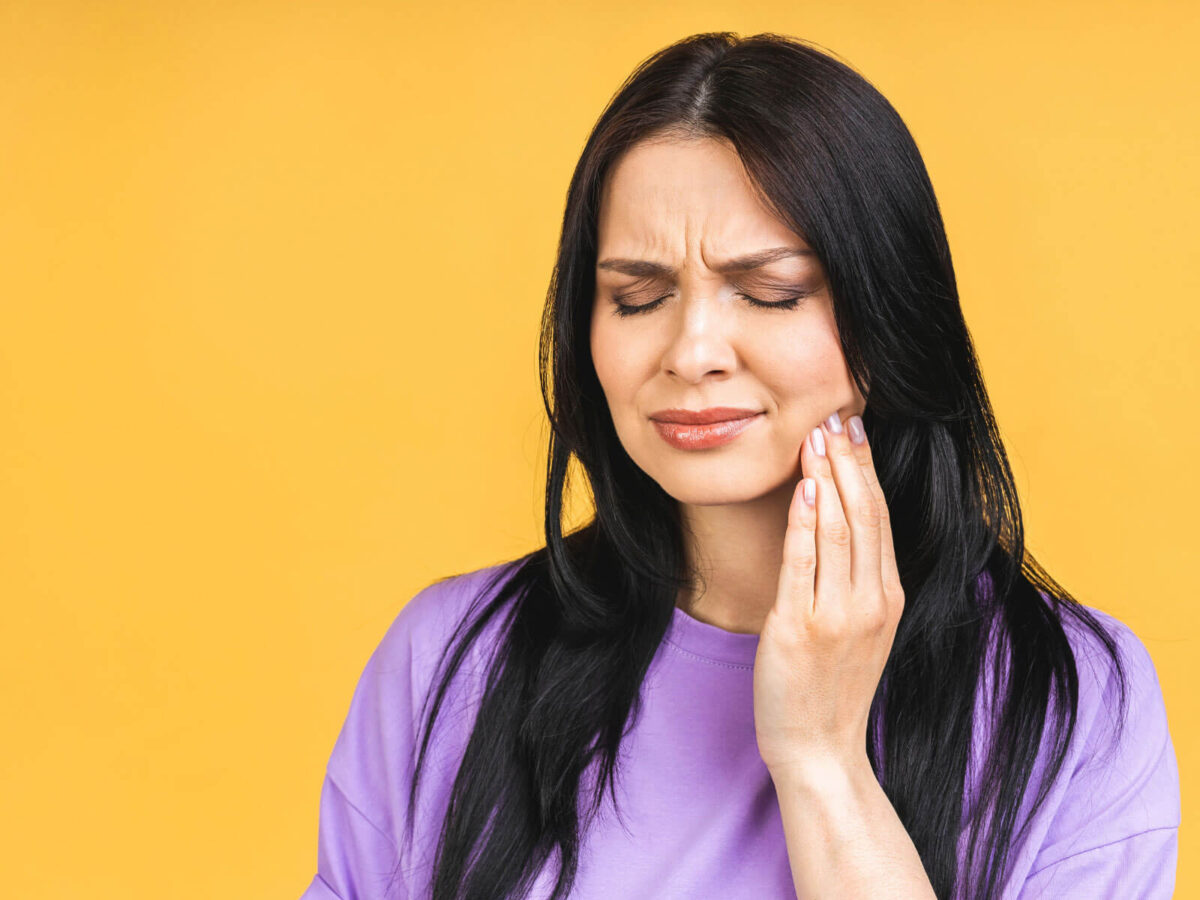
The Real Causes of Tooth Sensitivity (and How to Get Relief)
If you have tooth sensitivity, you have probably already tried something for it. Sensitivity toothpaste, usually. A few weeks in, it helped a little, or it did nothing at all, and now you want to know what else there is.
Sensitivity toothpaste works on the symptom. Whatever is driving the sensitivity carries on in the background while the nerve endings go quiet and the discomfort eases off. The appointment slides another few weeks. I see that pattern constantly.
Knowing the causes of tooth sensitivity changes what gets treated.
TL;DR
- Tooth sensitivity traces back to one of about five things, and worn enamel is only the first of them.
- All of them expose dentin, the layer where microscopic tubules run straight to the nerve.
- Sensitivity toothpaste quiets that nerve while the cause carries on untouched.
- Which cause you are dealing with decides the treatment.
Why Tooth Sensitivity Happens at All
The part of the tooth doing the complaining is not the enamel. It is dentin, the layer underneath, which is full of tiny tubules that lead down to the nerve. Fluid sits inside those tubules. Cold coffee hits the surface, the fluid shifts, and the nerve picks it up as a jolt.
Enamel and gum tissue are what keep dentin covered. Lose some of either and the tubules have a route to the outside world. I explain this to patients constantly, usually because they assume sensitive teeth mean a cavity somewhere. The mechanism is the same in nearly every case. What differs is which layer went missing.
Enamel Erosion
Enamel does not grow back. Whatever is gone is gone, and the dentin underneath stays uncovered for good.
Acid does most of the damage, and it arrives from more places than people expect. An orange in the morning counts. So does the fizzy drink at lunch and the glass of wine at night. Each one drops your oral pH, and enamel softens a little every time that happens. Over a few years, that adds up. Reflux is the quieter version. Stomach acid reaches your teeth while you sleep, and you never make the connection.
The wear pattern usually tells me which one it is. Dietary acid shows up on biting surfaces and the front faces of teeth. Reflux concentrates on the inner surfaces of the upper front teeth, where acid pools overnight.
Research published through the NIH found that erosive tooth wear is significantly underdiagnosed, with dietary and reflux acid the contributors most often missed when causes of tooth sensitivity are being worked out.
Gum Recession
When gum tissue pulls back, the root surface comes into view. Roots have no enamel on them at all. The dentin is right there at the surface, and its tubules are wider, and there are more of them than in the crown. That is why root sensitivity has a sharper edge to it than the kind that comes from worn enamel.
Brushing hard with a firm brush is the usual culprit. It wears gum tissue and root away slowly, over years, and you will not notice until you can see it in the mirror. Gum disease gets there by a different route. The infection eats away the attachment holding tissue to the tooth. Then there is grinding, which loads the tooth sideways over and over until a notch appears right at the gumline.
Recession creeps. The ADA’s MouthHealthy resource describes it as gradual enough to go unnoticed, and in my experience, it takes either a cold jolt or a tooth that suddenly looks too long before anyone books an appointment.
Cracked Teeth
A crack gives you a very particular kind of pain. Sharp, over in a second, and almost impossible to point to. It usually hits when you bite down, or on the release afterward. Cold sets it off too. Some days it turns up for no reason you can identify.
Cracks do not reliably show on an X-ray. Finding one takes transillumination, dye, or a bite test. I have seen patients spend the better part of a year blaming a sinus problem or the wrong tooth entirely before anyone confirms it.
Depth decides everything from there. A crack that stays within the crown can usually be handled with a crown of its own, which holds the tooth together and stops the flexing that sets the nerve off. Once it runs into the root, the conversation changes.
Cavities and Failing Restorations
Decay that reaches dentin opens the tubules up directly. You get a duller, more spread-out ache than a crack gives you, and sugar triggers it just as easily as cold. The deeper it runs toward the pulp, the worse it gets.
Old fillings are sneakier. A filling that has cracked or lifted at the edge lets bacteria in underneath, and decay starts up again below a repair you had done fifteen years ago and stopped thinking about. Nothing looks wrong from the outside. The tooth just starts reacting.
I catch most of these on an X-ray. Both have a fix that works, assuming someone has taken a proper look.
What’s Actually Causing Your Sensitivity?
Sensitivity toothpaste isn’t a diagnosis. Finding out what’s driving it is.
Grinding and Clenching
Bruxism does damage in two directions at once. It flattens enamel off the biting surfaces, and it loads the tooth sideways until small V-shaped notches form where enamel meets root. Those notches have a name – abfraction lesions. Either kind of wear leaves dentin exposed.
Most of this happens while you are asleep, which is the awkward part. You wake up with a tight jaw, or you notice your teeth look shorter than they used to, and neither gets connected to the cold sensitivity. When several teeth are sensitive at once, especially across the biting surfaces, grinding is usually what I look at first.
A night guard will stop the enamel loss and take the sideways force off the teeth. It cannot rebuild what has already worn away. What it does is hold the line while the exposed areas get treated.
What Actually Provides Relief
Relief that holds comes from treating the cause.
With eroded enamel, that means cutting the acid back and getting fluoride onto whatever enamel is left. Recession from heavy brushing calls for a soft brush straight away, and if it has gone far enough, a graft to cover the root again. Cavities and failed fillings get replaced. Cracks depend on how deep they go.
The Mayo Clinic makes the same point about identifying the cause first, because the treatment changes completely depending on what is behind it.
Sensitivity toothpaste earns its place with dentinal hypersensitivity. Reach for it first when a crack or moving recession is the problem, and all you have done is push the appointment back.
FAQ
Why do teeth get sensitive in the first place?
Something has exposed the dentin. Worn enamel and receding gums account for most of it, though a crack, decay, a failing filling, or night grinding will do the same job. The fix depends on which one you have.
Why isn’t my sensitivity toothpaste working?
Because it treats the open tubules rather than whatever opened them. Nothing in that tube will stop a cavity from spreading or gums pulling further back.
Will tooth sensitivity settle down by itself?
After dental work, usually yes. When there is an active cause sitting behind it, no. Expect it to build instead.
When is the time to go to a dentist?
Book the appointment if it is building week on week, if more than one tooth has started reacting, or if biting hurts more than cold. Weeks on sensitivity toothpaste with no change is also your answer.
Conclusion
Treating tooth sensitivity well starts with working out what is behind it. Erosion, recession, a crack, decay, grinding. Every one of them exposes dentin by a different route and needs its own treatment.
Sensitivity toothpaste covers a narrow slice of that. Everywhere else, it manages the feeling while the cause carries on, which is where most people sit after months of using it with nothing to show.
If you are a Rio Bravo patient and the causes of tooth sensitivity and pain in your case have not responded to anything you have tried, an exam is what tells you which one you are dealing with.
Find Out What’s Actually Driving Your Sensitivity
A proper exam identifies the cause before recommending the treatment.

