
Blog
Dental hygiene tips for healthy teeth & gums
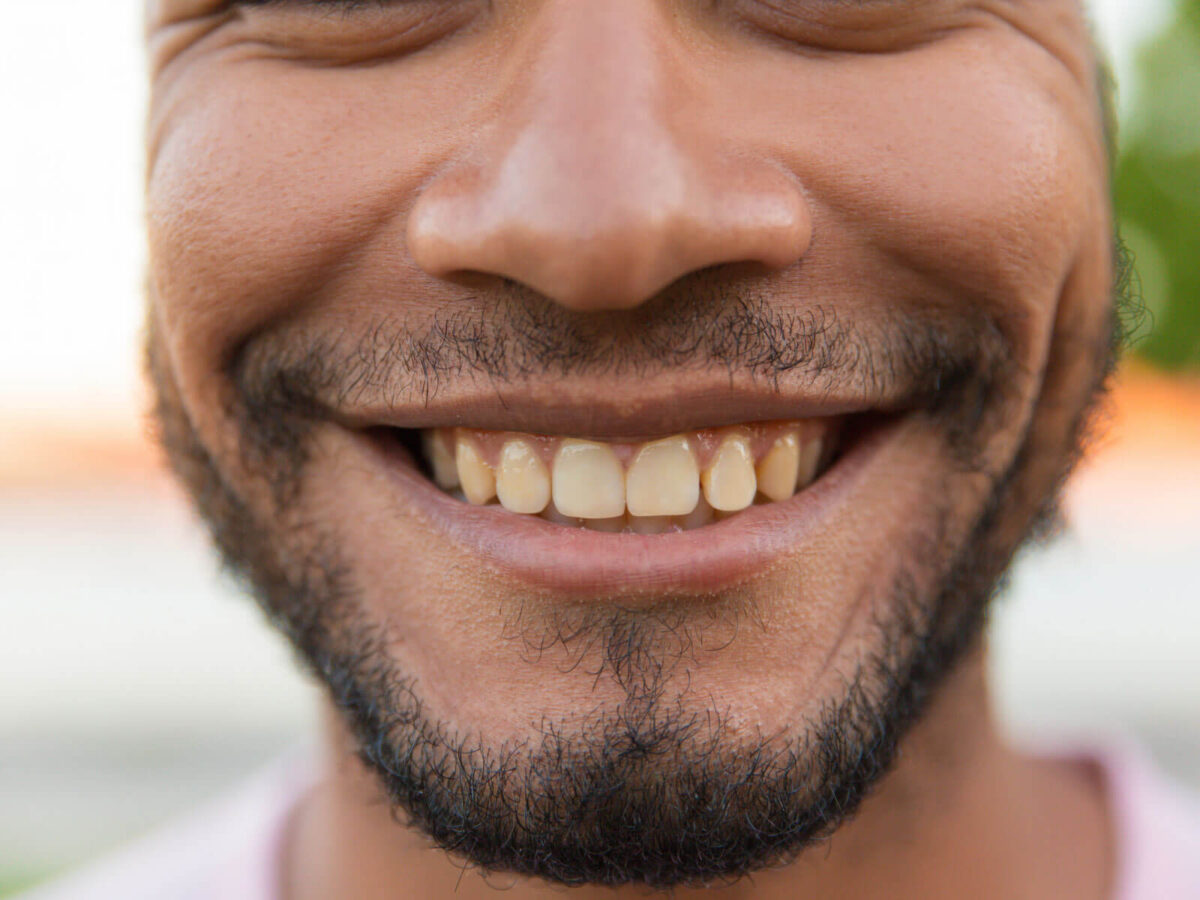
Why You Have Yellow Teeth and How to Get Them Whiter
For years I thought my yellow teeth were just something I wasn’t cleaning well enough. More brushing, different toothpaste, same result.
Tooth color is more complicated than surface cleanliness. The yellow can be sitting on top of the enamel, built into the enamel itself, coming through from the dentin layer underneath, or some combination of all three. A whitening strip works on one of those. It does nothing for the others.
I spent a while figuring out which situation I was actually in before anything I tried started making sense.
TL;DR
- Not all yellow teeth respond to whitening. Some staining sits on the surface. Some is built into the tooth itself.
- What you drink and smoke tends to stain the outside. What you took as a kid, or a tooth that took a hit years ago, can discolor from within.
- Whitening strips and gels reach the surface. Anything deeper than that, they won’t touch.
- Knowing which type you have before spending money on products saves a lot of frustration.
What Actually Makes Teeth Look Yellow
Enamel isn’t actually white. It’s semi-translucent, and the layer sitting right behind it, the dentin, is naturally yellow. Thicker enamel masks that. Thinner enamel lets it show through, regardless of how clean the teeth are.
Some people are just born with thinner enamel. No amount of brushing or whitening changes that because there’s nothing on the surface to remove.
Enamel also thins out over time. A lot of the yellowing people notice as they get older isn’t staining at all. It’s the dentin becoming more visible as the enamel above it gradually wears down.
Yellow Teeth Causes: What’s on the Surface
I switched to tea thinking it was the better option. Turns out tea stains more than coffee. The tannins keep the pigment sitting against the enamel for longer, and red wine does both things at once – the pigment stains, and the acidity opens up the surface so more color gets in while you’re drinking.
Tobacco is in a different league. The nicotine and tar don’t stay on the surface the way food and drink do. They work into the enamel, and that’s why regular whitening products make barely a dent in smokers’ staining.
Tartar is worth mentioning separately. Hardened plaque doesn’t respond to whitening products at all. It needs a professional cleaning to come off.
What’s Causing the Yellow From Inside the Tooth
This is the category I didn’t understand until I started researching properly. The discoloration isn’t sitting on the surface at all, so nothing you put on the surface removes it.
Tetracycline antibiotics taken during tooth development incorporate into the forming dentin. The color shows up in bands, yellow to grey to brown, depending on when the antibiotic was taken. The Cleveland Clinic puts tetracycline staining among the hardest forms of teeth discoloration to treat for exactly that reason.
Fluorosis was one I hadn’t heard of before researching this. Too much fluoride during development leaves white spots or, in worse cases, yellow to brown pitting. Trauma was the other surprise. A tooth that took a knock years ago can darken gradually from the inside as the pulp breaks down. Bleaching doesn’t touch either.
Which Whitening Options Work and Which Don’t
After going through a lot of products that did nothing, I figured out that the ones that actually shift staining all use peroxide, either hydrogen peroxide or carbamide peroxide. That’s what gets into the enamel and breaks the stain down. The ADA backs both in-office and at-home options, as long as what you’re trying to shift is actually on the surface.
I ended up going with custom trays from a dentist. Takes a few weeks, but the sensitivity was much more manageable than I expected. In-office whitening gets there faster, and strips work for mild staining, though they didn’t touch what years of tea had done to mine.
Discoloration coming from inside the tooth is a different problem entirely. None of this touches it, and I spent quite a bit of money figuring that out before I understood the difference.
Not Sure What’s Causing Your Discoloration?
The cause determines the treatment. An assessment identifies which category you’re in before any whitening is recommended.
When Whitening Doesn’t Work
When bleaching isn’t going to work, the conversation usually shifts to covering the tooth rather than treating it.
Porcelain veneers cover the existing color entirely. They’re custom-made to a chosen shade and can address discoloration that no amount of bleaching would change. The trade-off is some removal of natural enamel and a long-term commitment to having a restoration on that tooth.
Composite bonding is cheaper and less involved, but I found out it stains too, and most people end up replacing it within a few years.
If the issue is mild fluorosis with white spots, microabrasion is sometimes tried first. It removes a very thin layer of outer enamel using a mildly acidic compound, which can reduce the appearance of the spots before any restorative work is considered.
Why Whitening Works for Some People and Not Others
Most people dealing with the yellow colour of teeth have more than one cause contributing at the same time.
Someone with naturally thin enamel who drinks coffee daily and had tetracycline as a child is dealing with three separate contributors. Whitening addresses the surface layer. It won’t change the structural color or the tetracycline banding underneath. The result looks like a partial improvement that’s hard to explain without understanding what was going on to begin with.
The distribution of color tells a lot. Uniform versus banded, surface versus within the tooth, all teeth affected versus just a few. These patterns point to different causes, and picking a product without that picture is more of a guess than most people realize.
What Maintains Results After Whitening
Whitening results don’t last forever. The enamel keeps picking up staining from food and drink after treatment, and how fast that happens depends mostly on what you keep consuming.
Someone who goes straight back to daily coffee and red wine after whitening will see the staining return much faster than someone who cuts back. Healthline’s overview of teeth whitening puts most professional whitening results at one to three years before a touch-up is needed.
Rinsing with water after staining foods and drinks, waiting 30 minutes before brushing after anything acidic, and using a straw for heavily pigmented beverages all slow the return of yellow teeth without requiring major changes to what you eat and drink.
FAQ
My teeth are yellow even though I brush. Why?
Brushing gets the surface. But yellowing doesn’t always start there. Mine didn’t. Thin enamel, antibiotics taken as a kid, a tooth that took a knock years ago – these all discolor from the inside, and no toothbrush touches that.
Whitening toothpaste – why didn’t it work for me?
The abrasives do something to the very outer layer. But there’s not enough bleaching agent in any toothpaste to make a real difference.
How long does teeth whitening actually last?
About two years for me before I started noticing it coming back. Depends a lot on what you’re drinking day to day.
Will whitening work on my teeth?
Maybe. If the staining is on the surface, probably yes. If it’s coming from inside the tooth, probably not much. That’s the part worth figuring out before spending money on products.
Conclusion
Yellow teeth aren’t one problem. The cause varies enough that the same whitening approach produces completely different results in different people.
Surface staining responds to bleaching. Internal discoloration often doesn’t. Thin enamel and natural aging are structural, and no whitening product changes structure. Most whitening disappointments come down to treating the wrong cause.
For Rio Bravo patients who’ve tried over-the-counter products without much to show for it, figuring out what’s actually driving the color is what makes the difference between something that works and more of the same.
Find Out What’s Actually Behind Your Tooth Color
A proper assessment identifies the cause before recommending a treatment.

