
Blog
Dental hygiene tips for healthy teeth & gums
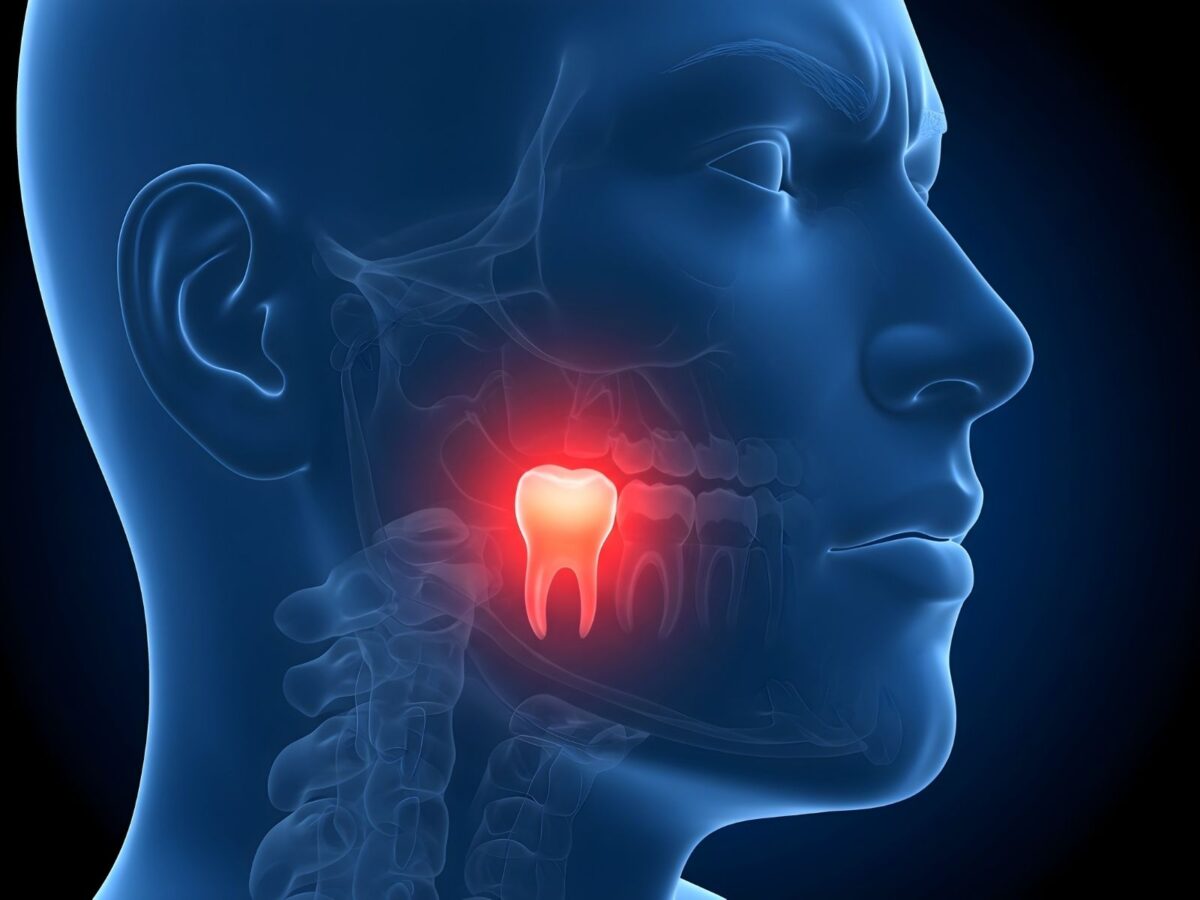
Wisdom Tooth Removal Recovery: A Day-by-Day Guide to Healing
It doesn’t really feel real until everything is done. Before that, it’s just planning. Appointments, instructions, maybe some quiet overthinking about how it will go. But the question most people end up asking comes later, when you’re home, and the numbness starts fading. That’s usually when it hits. You start wondering how long this is going to take, and what wisdom tooth removal recovery even looks like day by day.
The First Few Hours
Your mouth is still numb, so everything feels slightly off. Talking isn’t normal yet. Eating definitely isn’t. You’re aware something was done, but you don’t fully feel it yet. Then the numbness fades. That’s when discomfort starts to come in, slowly. Not all at once, but enough to notice. Swelling might begin around this time, too.
You’re usually told to bite on gauze. That helps control bleeding, which is expected during the first few hours. It’s not something to panic about unless it continues longer than it should.
So the first phase of removal of wisdom tooth aftercare is mostly about resting and letting things settle.
How Is Day 1 Like
Swelling tends to build up around this stage. The area stays sore, so eating is mostly soft foods for a while. Talking too much does not feel great either, so you naturally slow down. You become aware of the healing without trying. Ice packs are used here, sometimes more than once, and they help a bit. Not fully, though. Just enough to make it manageable. Pain is usually kept under control with medication.
The American Dental Association also stresses following post-surgical instructions. That is what helps avoid issues and makes sure healing stays on track. So yes, day one can feel rough. It is still expected.
Day 2 To Day 3 (When It Feels Like It’s Getting Worse Before Better)
This part catches people off guard sometimes. Because instead of improving immediately, swelling can peak around this time. The jaw may feel stiff. Opening your mouth fully might be difficult. It feels like things should be improving already. But they’re not yet.
This is still part of normal wisdom tooth removal recovery. Bruising can appear in some cases. Not always, but it happens. Eating stays limited. You are better off sticking to soft foods for now. Rushing things does not really help. Even if this stage seems worse, it is often still within the normal range.
Day 4 To Day 5 (Where You Start Noticing Small Changes)
Swelling begins to go down. Not completely, but enough to notice. The soreness becomes less sharp. More dull than before. You’re still being careful, just not as much as before. Talking feels easier. Eating slightly more normal foods becomes possible, though still with caution. This is usually when people start feeling like they’re moving forward. Not fully better, but clearly improving.
Day 6 To Day 7 (Getting Closer To Normal)
By now, most of the swelling you could see has settled down. Some tenderness can still be there, mostly while chewing. But overall, it feels easier to deal with now. Daily routines slowly start coming back. You’re still aware of the area, just not thinking about it constantly anymore. For many people, this is where the more uncomfortable part of the removal of wisdom tooth aftercare starts to fade.
What Recovery Time Actually Looks Like
Around a week in, most people feel much more comfortable. That said, healing is still going on. The soft tissue takes a few more weeks to settle. The deeper bone takes more time, sometimes a few months, though you don’t feel that part happening.
The National Institute of Dental and Craniofacial Research says healing does not just stop once things look better. There is still a lot happening underneath. So when you think about how long to recover from wisdom tooth removal, it kind of depends on what “recovered” means to you. Feeling normal again? About a week. Fully healed? Longer.
What Helps Recovery Go Smoother
Rest does help more than people expect. The first few days matter a lot, so not pushing yourself too much during that time makes a difference. Keeping the area clean is important too, but gently. Salt water rinsing is something people usually suggest, just not right at the start. You need to hold off for a bit. Starting too early can disturb the area instead of helping it settle.
There are also a few things worth avoiding. Smoking, straws, anything that creates pressure in the mouth. Those can interfere with how things heal. According to the CDC, proper oral care after procedures lowers the risk of complications like infection. It is not only about waiting for things to heal. What you do during that time plays a part too.
What Can Slow Down Healing Without You Realizing It
Some things do not seem like they matter much at first. But they do. Skipping aftercare instructions. Eating harder foods too early. Not keeping the area clean. These don’t cause immediate problems. But over time, they can slow healing or cause complications like dry socket. That’s the one people usually want to avoid, because it delays everything.
What Dry Socket Feels Like (And Why It’s Different)
This is not really how recovery usually goes. Pain is supposed to ease off, even if it takes a few days. But when it starts getting worse instead, it feels off. Sharper, harder to ignore. Sometimes it even spreads a bit. That is what makes it stand out. Healing is rarely perfect, but it should not move backward like that.
So when it does, it is a sign to pause and take it seriously. It doesn’t mean something serious right away. But waiting it out isn’t the best idea either. A quick check with your dentist can help you figure out what’s happening before it gets more difficult.
What The Numbers Say About Wisdom Tooth Removal
Wisdom tooth removal is very common. The American Dental Association says that millions of procedures are performed each year, particularly in young adults. Most recover without complications when aftercare is followed properly. That consistency is important. Because while the experience feels very personal, the process itself is well understood.
FAQs
How long does wisdom tooth removal recovery take?
It depends a bit. You might feel okay after a week or so. Not fully, though. Wisdom tooth removal recovery is still going on, just not as obviously at that point.
When does swelling go down after wisdom tooth removal?
It does not improve right away. In fact, it can feel worse first. Around the second or third day is when it feels the most, then it gradually settles.
What should I eat during recovery?
Nothing too hard or crunchy at first. Soft foods just make things easier. You will naturally feel what is comfortable anyway.
How long to recover from wisdom tooth removal completely?
If you are asking how long to recover from wisdom tooth removal fully, the surface heals fairly soon, but deeper healing takes more time than people expect.
Conclusion
Wisdom tooth removal recovery does not really move in a straight line. Some days feel okay. Then suddenly, one day feels slower again. That uneven progress can be annoying, especially at the start. You think it should improve faster. It usually does not. Healing just works at its own pace. It is not always predictable. What matters is noticing when something feels off instead of brushing it aside.
If pain lingers or something just feels unusual, it is better to ask. Getting clarity on the removal of wisdom tooth aftercare early can save you from bigger problems later. Dentists usually spot issues quickly, and most things are easier to fix at that stage. If you are unsure, do not sit with it. Call your dentist and get it checked today.

